
 (678) 999-3331
Public Safety Vehicle Struck in Downtown Atlanta, Drivers Cautioned to Limit Travel
A public safety vehicle escorting brine trucks that were treating the road was struck early last week ahead of the ice storm, according to Atlanta News First. The Georgia Department of Public Safety cautioned drivers to avoid travel unless it was completely essential and to move over for emergency vehicles, tow trucks, and disabled vehicles. The vehicle that was struck was part of a commercial vehicle enforcement unit. No injuries were reported by officials.
This incident highlights the serious risks faced by emergency and public safety workers during severe weather preparations, particularly on active roadways where conditions can change quickly. When drivers fail to slow down or move over for marked safety vehicles, even routine storm response efforts can turn dangerous in an instant, putting first responders and enforcement officers at risk. After a crash, those involved often experience both physical and emotional distress and are left with serious expenses. At Karell Law we understand how incidents involving public safety vehicles raise important questions about driver responsibility, roadway safety, and preventable negligence, and we are committed to helping those affected by roadway crashes seek accountability. Call us at (678) 999-3331 for a free review of your case today.
Why Experienced Legal Counsel Matters After a Downtown Atlanta Car Crash
After a downtown Atlanta car crash, our team at Karell Law understands that victims are often left navigating painful injuries, traffic disruptions, and uncertainty about what steps to take next. Crashes in busy urban corridors frequently involve multiple vehicles, public safety units, or commercial traffic, which can complicate questions of fault and insurance coverage. We take a detailed approach to examining crash reports, roadway conditions, traffic patterns, and driver behavior to determine how the collision occurred. Our focus is on ensuring that critical details are not overlooked and that responsibility is evaluated fairly.
Downtown Atlanta crashes can have far-reaching effects on a person’s daily life, from missed work and mounting medical expenses to ongoing stress caused by insurance disputes. At Karell Law, we work to protect our clients from unfair tactics that may minimize their injuries or shift blame improperly. We manage communications, review evidence, and develop legal strategies tailored to the specific circumstances of each downtown Atlanta car crash. By providing steady guidance and experienced representation, we help clients move forward with greater clarity and confidence during a challenging time.

The Impact of Emergency Vehicles on a Downtown Atlanta Car Crash Scene
Emergency vehicles play a critical role after a downtown Atlanta car crash, but their presence can also add complexity to an already chaotic situation. Dense traffic, narrow streets, and limited visibility can make it difficult for drivers to react appropriately when police, fire, or medical units arrive. While these responders are essential for safety and care, their involvement can influence how a crash scene unfolds and how fault is later evaluated. Understanding this impact helps explain why downtown collisions often require closer scrutiny.
Increased Congestion and Limited Maneuverability
Downtown Atlanta roadways are often congested even under normal conditions, and a crash can quickly bring traffic to a standstill. The arrival of emergency vehicles may further restrict movement as lanes are closed or redirected. These constraints can increase the risk of secondary incidents. Scene management becomes especially important.
Lane Closures and Traffic Redirection
Emergency responders frequently block lanes to protect crash victims and responders. While necessary, these closures can cause sudden bottlenecks. Drivers approaching the scene may have limited time to slow down or change lanes. This creates conditions where additional collisions may occur.
Reduced Space for Driver Response
Tight urban layouts often leave little room for evasive maneuvers. Parked vehicles, curbs, and barriers can limit options for drivers trying to avoid hazards. When emergency vehicles occupy available space, reaction windows shrink further. These limitations can complicate fault analysis.
Driver Obligations Around Emergency Vehicles
Georgia law requires drivers to slow down and move over when approaching emergency vehicles. However, not all drivers follow these rules consistently. Failure to comply can contribute to additional crashes or injuries. These obligations are often examined closely after a downtown Atlanta car crash.
Move-Over Law Compliance Issues
Drivers who fail to change lanes or reduce speed near emergency vehicles may be cited. These violations can factor into liability determinations if another collision occurs. Investigators often review whether drivers acted responsibly. Compliance plays a significant role in evaluating conduct.
Confusion During Active Emergency Response
Flashing lights, sirens, and hand signals can overwhelm drivers, especially in high-traffic areas. Some drivers hesitate or make sudden moves due to uncertainty. These reactions can lead to abrupt stops or unsafe lane changes. Confusion may be considered when assessing events.
Secondary Collisions and Chain-Reaction Risks
The presence of emergency vehicles can increase the likelihood of secondary crashes near the original scene. Reduced visibility and unexpected traffic patterns contribute to this risk. Downtown environments amplify these challenges. Secondary incidents often complicate investigations.
Rear-End and Sideswipe Collisions
Drivers slowing suddenly for emergency activity may be struck from behind. Others may sideswipe vehicles while attempting to change lanes quickly. These secondary crashes can cause additional injuries. Determining responsibility requires careful reconstruction.
Impact on Pedestrians and Cyclists
Downtown Atlanta sees high pedestrian and cyclist activity. Emergency vehicles may divert traffic into crosswalks or bike lanes. Reduced visibility increases danger for vulnerable road users. Their safety becomes a heightened concern at crash scenes.
Influence on Evidence Collection and Scene Documentation
Emergency response can alter the physical layout of a crash scene. Vehicles may be moved, debris cleared, or lanes reopened quickly. While necessary for safety, these actions can affect evidence preservation. Accurate documentation becomes essential.
Changes to Vehicle Position and Debris
Emergency crews may reposition vehicles to access injured parties. Debris may be removed to reopen traffic. These changes can obscure original impact points. Investigators rely on early photos and reports to reconstruct events.
Reliance on Official Reports and Timelines
Police and emergency reports often become primary records of what occurred. Timelines of response and actions taken are carefully reviewed. These details help explain scene changes. Accurate reporting supports later analysis.
How Emergency Response Affects Liability Evaluation
The actions of drivers before and after emergency vehicles arrive can influence liability determinations. Investigators assess whether drivers followed laws and exercised caution. Emergency presence adds context to behavior. This context matters in downtown Atlanta car crash cases.
Evaluating Driver Decisions Near Responders
Driver speed, lane changes, and attentiveness near emergency vehicles are scrutinized. Poor decisions may shift fault. Responsible actions may mitigate liability. Contextual review helps ensure fairness.
Understanding the Role of Emergency Management
While emergency vehicles do not cause crashes, their presence shapes the environment. Evaluating how traffic was managed helps clarify events. This understanding supports accurate fault assessment. Comprehensive analysis remains key.
Why Timing and Location Matter in a Downtown Atlanta Car Crash Claim
In a downtown Atlanta car crash claim, when and where the collision occurs can significantly influence how fault, liability, and damages are evaluated. Downtown Atlanta features dense traffic, complex intersections, frequent construction, and constant pedestrian activity, all of which create conditions very different from suburban or highway crashes. Timing can affect visibility, traffic flow, and driver behavior, while location can determine which traffic controls, entities, or parties may be involved. Understanding these factors helps explain why downtown crash claims often require more detailed analysis.
The Role of Time of Day in Downtown Crashes
The time of day a crash occurs can shape both how the accident happened and how it is later investigated. Downtown Atlanta traffic patterns change dramatically throughout the day, creating varying levels of risk. These shifts often affect driver expectations and reaction times. Timing becomes a key part of reconstructing events.
Rush Hour Traffic and Congestion Risks
Morning and evening rush hours bring heavy congestion to downtown streets, increasing the likelihood of rear-end collisions and sideswipes. Stop-and-go traffic can frustrate drivers and reduce attention, leading to sudden braking or unsafe lane changes. High vehicle density also leaves little room to recover from minor errors. These conditions are often central to fault evaluations.
Late-Night and Early-Morning Conditions
Crashes that occur late at night or early in the morning may involve reduced visibility and fewer witnesses. Fatigue or impaired driving may also play a larger role during these hours. Empty streets can encourage speeding, which increases crash severity. Timing helps investigators assess these contributing factors.
Location-Specific Hazards in Downtown Atlanta
Downtown Atlanta includes a wide range of road types, from multi-lane thoroughfares to narrow one-way streets. Each location presents unique hazards that can contribute to crashes. The exact intersection or roadway involved often shapes liability questions. Location context matters.
High-Risk Intersections and Traffic Signal Complexity
Many downtown intersections feature multiple turn lanes, pedestrian signals, and bus or streetcar activity. Confusing signal timing or poor visibility can lead to failure-to-yield crashes. Drivers unfamiliar with the area may misjudge right-of-way. These factors are often examined closely in claims.
Proximity to Construction Zones and Detours
Construction is common in downtown Atlanta and can alter normal traffic patterns. Temporary lane shifts, reduced signage, and unexpected detours increase the risk of collisions. Crashes near construction zones may involve additional parties or regulatory standards. Location near active work zones adds complexity.
How Timing and Location Affect Evidence Availability
The circumstances of time and place can directly influence the quality and quantity of available evidence. Busy areas and peak hours often generate more documentation. Quiet locations or off-hours may present challenges. Evidence availability plays a critical role in claims.
Availability of Witnesses and Video Footage
Crashes during peak hours or near popular downtown locations are more likely to have witnesses. Nearby businesses, traffic cameras, and rideshare vehicles may capture video footage. These resources can provide objective accounts of events. Timing and location often determine whether such evidence exists.
Changes to the Scene Before Documentation
In high-traffic areas, crash scenes may be cleared quickly to restore flow. Emergency response and towing can alter vehicle positions or debris patterns. If documentation is delayed, important details may be lost. Downtown locations increase the likelihood of rapid scene changes.
Impact on Liability and Responsible Parties
Where and when a crash occurs can also influence who may be held responsible. Downtown Atlanta car crashes sometimes involve more than just the drivers involved. Location can introduce additional liability considerations. Timing can affect responsibility assessments.
Involvement of Commercial or Rideshare Vehicles
Downtown areas see high volumes of delivery trucks, buses, and rideshare vehicles. Crashes involving these vehicles may raise employer or corporate liability issues. Timing may indicate whether a driver was working at the time. These factors can expand a claim’s scope.
Municipal or Third-Party Considerations
Poor road design, malfunctioning signals, or inadequate signage may contribute to crashes at specific locations. Timing may reveal whether conditions were worsened by lighting or maintenance schedules. Identifying these factors requires careful review. Location-based responsibility can be significant.
Why These Details Matter in a Claim
Timing and location help tell the full story of how a downtown Atlanta car crash occurred. These details provide context that explains driver behavior, environmental conditions, and contributing factors. Without this context, claims may be oversimplified or misunderstood. Careful attention to when and where a crash happened supports a more accurate and fair evaluation.
Steps to Take When Involved in a Downtown Atlanta Car Crash
Being involved in a downtown Atlanta car crash can be overwhelming, especially given the fast-paced traffic, frequent lane changes, pedestrian activity, and constant presence of emergency vehicles in the area. In the moments following a collision, it can be difficult to think clearly or know what to do next. Taking the right steps immediately after the crash can help protect your physical safety, preserve important evidence, and support any future insurance or legal claim. While every situation is unique, following a clear and methodical approach can reduce confusion and help you regain a sense of control during a stressful and uncertain moment.
Ensure Immediate Safety and Check for Injuries
Your first priority after a downtown Atlanta car crash should always be ensuring your safety and the safety of others involved. Busy intersections, narrow streets, and heavy traffic increase the risk of secondary collisions, particularly if vehicles are left in active lanes. Remaining alert, cautious, and aware of your surroundings can help prevent additional harm. Taking a moment to assess the situation before acting can make a meaningful difference.
Move to a Safer Location if Possible
If vehicles can be moved safely, pulling them out of traffic lanes and into a shoulder, parking area, or side street helps reduce congestion and lowers the risk of another collision. Turning on hazard lights alerts approaching drivers to slow down and proceed with caution, which is especially important in downtown areas where drivers may have limited reaction time. Creating space between moving traffic and the crash scene helps protect everyone involved. Safety should always guide these decisions.
Assess Injuries and Call for Medical Help
After moving to a safer location, check yourself and others for injuries, even if they initially seem minor. Adrenaline and shock can mask pain or symptoms that become more noticeable later. Calling for medical assistance ensures that injuries are properly evaluated and treated as soon as possible. Early medical attention not only supports recovery but also creates documentation that may be important later.
Contact Law Enforcement and Report the Crash
Reporting the crash to law enforcement is especially important in downtown Atlanta, where traffic patterns, construction zones, and signal timing can complicate later investigations. An official police report helps establish a clear record of what occurred at the scene. This documentation often plays a key role in insurance claims and liability determinations. Having law enforcement involved adds clarity and structure to the process.
Request Officer Documentation of the Scene
When speaking with responding officers, ask that they document traffic signals, lane markings, construction activity, weather conditions, and any obstructions present. These details help explain how the crash occurred and provide context that may not be obvious later. Accurate documentation supports a clearer understanding of contributing factors. Environmental conditions often matter in downtown collisions.
Obtain the Police Report Number
Before leaving the scene, request the police report number and the officer’s contact information. Having this information makes it easier to obtain a copy of the report once it becomes available. Reviewing the report later allows you to confirm that details were recorded accurately. Organized records help reduce stress as the process moves forward.
Gather Information and Preserve Evidence
Downtown crash scenes can change quickly due to traffic flow, emergency response, and cleanup efforts. Collecting information as soon as possible helps preserve details that may otherwise be lost. Even seemingly small pieces of evidence can become important later. Early documentation supports clarity.
Exchange Information With Other Drivers
Exchange names, phone numbers, insurance details, and license plate numbers with all involved drivers. Taking photos of insurance cards and driver’s licenses can help ensure accuracy. Clear and complete information exchange reduces the likelihood of confusion or disputes later. Accuracy is critical.
Take Photos and Videos of the Scene
Photograph vehicle damage, traffic signals, road conditions, skid marks, and surrounding landmarks that show the crash location. Visual evidence provides context that written descriptions often cannot capture. Downtown features such as signage or nearby buildings help establish where the crash occurred. Documenting the scene early helps preserve accuracy.
Be Mindful When Speaking With Insurance Companies
Insurance companies may contact you quickly after a downtown Atlanta car crash, sometimes within hours of the incident. These conversations can influence how a claim develops and how fault is assessed. Thoughtful and cautious communication helps protect your interests. Taking time before responding in detail can prevent misunderstandings.
Avoid Giving Detailed Statements Immediately
Providing detailed statements before fully understanding your injuries or the circumstances of the crash can be risky. Even honest comments may be taken out of context or used to limit a claim. It is often best to provide only basic information initially. Caution supports clarity and fairness.
Do Not Accept Quick Settlement Offers
Early settlement offers may not reflect the full extent of injuries, vehicle damage, or future expenses. Medical treatment and repair assessments often take time to complete. Accepting an offer too quickly can limit future options. Patience allows a clearer picture to emerge.
Document Ongoing Impact and Expenses
The effects of a downtown Atlanta car crash often extend well beyond the day of the accident. Keeping detailed records helps demonstrate the full impact on your life. Organization makes it easier to manage claims and reduces frustration later. Consistent documentation supports accuracy.
Track Medical Treatment and Recovery
Save medical bills, prescriptions, appointment summaries, and treatment notes as recovery progresses. Keep a record of symptoms, pain levels, and physical limitations. These records show how injuries affect daily life over time. Consistency helps establish credibility.
Record Lost Income and Daily Disruptions
Document missed workdays, reduced hours, and changes to daily routines caused by injuries. Notes about pain, fatigue, or mobility challenges provide helpful context. This information helps illustrate real-world impact. Detailed tracking strengthens claims.
Consider Legal Guidance When Questions Arise
Downtown Atlanta car crashes often involve complex liability issues, multiple parties, and aggressive insurance strategies. Knowing when to seek guidance can make a meaningful difference. Support can help clarify options and next steps. Understanding your position reduces uncertainty.
Evaluate Whether Additional Factors Contributed
Traffic design, construction activity, malfunctioning signals, or poor signage may contribute to a crash. Identifying these factors requires careful review and awareness. Understanding context supports informed decision-making.
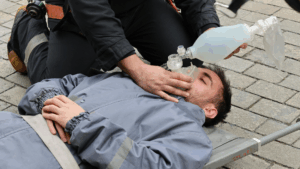
How Atlanta Car Accident Attorneys Support Crash Victims After a Serious Collision
After a serious collision in Atlanta, crash victims are often left dealing with painful injuries, emotional stress, and uncertainty about what comes next. Busy urban roads, high traffic volumes, and complex accident scenes can make these cases especially challenging. Atlanta car accident attorneys step in to provide structure, guidance, and legal support during a time when everything may feel overwhelming. By addressing both immediate concerns and long-term consequences, attorneys help victims regain stability while their case moves forward.
Investigating the Cause of the Collision
A thorough investigation is one of the most important ways attorneys support crash victims after a serious accident. Many collisions involve multiple contributing factors that are not immediately obvious at the scene. Attorneys work to uncover what truly happened and why, using evidence to build a clear and accurate picture. This process helps protect victims from unfair blame and strengthens accountability.
Reviewing Police Reports and Official Records
Police reports often provide the first detailed account of how a collision occurred. Attorneys carefully review these reports for accuracy, noting any inconsistencies, missing details, or assumptions. They also examine citations, diagrams, and officer observations related to roadway conditions or driver behavior. This review helps ensure the official record reflects the full circumstances of the crash.
Analyzing Physical and Digital Evidence
Physical evidence such as vehicle damage, skid marks, and debris patterns can reveal critical details about speed, impact, and direction. Attorneys also gather digital evidence, including traffic camera footage, surveillance videos, and vehicle data when available. Preserving and analyzing this information early helps clarify disputed facts. Objective evidence often plays a key role in serious collision cases.
Managing Insurance Companies and Claims
Insurance companies often move quickly after a serious collision, sometimes prioritizing their financial interests over a victim’s recovery. Attorneys handle all insurance communications to protect clients from unfair tactics. This support helps reduce stress and prevents costly mistakes. Clear advocacy helps level the playing field.
Handling Adjuster Communications
Insurance adjusters may request recorded statements or detailed information soon after a crash. Attorneys manage these interactions to ensure information is presented accurately and carefully. This approach helps avoid misinterpretation or misuse of statements. Thoughtful communication supports stronger claims.
Challenging Denials and Low Settlement Offers
Insurers may attempt to deny claims or offer settlements that do not reflect the true impact of injuries. Attorneys review these decisions and push back with evidence and legal arguments. Persistence is often required to counter unfair positions. Advocacy helps keep claims moving forward.
Documenting Injuries and Losses
Serious collisions often cause losses that extend well beyond immediate medical bills. Proper documentation is essential to reflect the full impact of the crash on a victim’s life. Attorneys help ensure all damages are identified and supported. This preparation strengthens the overall case.
Coordinating Medical Records and Treatment History
Medical records show how injuries occurred and how they affect daily life over time. Attorneys gather records from emergency care, follow-up treatment, and specialists. They may also work with providers to clarify prognosis and future care needs. Complete documentation supports accurate valuation of damages.
Accounting for Financial and Personal Impact
Injuries can disrupt work, family responsibilities, and quality of life. Attorneys document lost income, reduced earning capacity, and ongoing limitations. Pain, suffering, and emotional distress are also considered. This comprehensive view helps present a complete picture of harm.
Identifying All Responsible Parties
Some crashes involve more than one liable party, particularly in urban areas with heavy traffic or commercial vehicles. Identifying all responsible entities is critical to ensuring accountability. Attorneys look beyond the surface to uncover additional sources of liability. This approach can affect available compensation.
Evaluating Employer and Third-Party Liability
When a crash involves a commercial driver or work-related travel, employers or contractors may share responsibility. Attorneys review employment records, training practices, and vehicle maintenance logs. Third parties responsible for road design or traffic control may also be involved. Identifying these connections matters.
Addressing Shared or Disputed Fault
Fault is not always clear-cut, and insurers may argue shared responsibility. Attorneys analyze evidence to challenge unsupported fault claims. Clear presentation helps reduce improper blame on victims. Fair allocation of responsibility supports just outcomes.
Guiding Clients Through the Legal Process
The legal process after a serious collision can feel intimidating, especially for those unfamiliar with personal injury claims. Attorneys provide guidance at every stage, explaining what to expect and what decisions may arise. This support helps reduce uncertainty and anxiety. Consistent communication builds confidence.
Explaining Timelines, Options, and Next Steps
Personal injury cases follow specific procedures and deadlines. Attorneys explain these requirements in clear, practical terms. Understanding the process helps clients make informed choices. Clarity reduces stress during recovery.
Preparing for Resolution Through Settlement or Trial
While many cases resolve through settlement, attorneys prepare each case as if it may go to trial. This preparation strengthens negotiating positions and ensures no detail is overlooked. If litigation becomes necessary, clients are supported throughout the process. Thorough preparation helps protect long-term interests.
Contact an Experienced Downtown Atlanta Car Crash Lawyer Today
When a serious collision disrupts your life in the heart of the city, having knowledgeable legal representation can make a meaningful difference. At Karell Law, we understand how overwhelming the aftermath of a downtown Atlanta car crash can be, especially when heavy traffic, emergency vehicles, or commercial activity are involved. We take the time to understand how the crash occurred, assess the impact on your health and livelihood, and identify all potential sources of liability. Our team approaches each case with care, attention to detail, and a strong commitment to protecting our clients’ rights.
We’re dedicated to standing up for individuals and families affected by car crashes throughout downtown Atlanta and the surrounding metro area, especially when busy roads and complex traffic conditions are involved. From investigating the incident and handling insurance communications to preparing cases for negotiation or trial when necessary, we work to shoulder the legal burden so our clients are not left facing complex claims alone. We take the time to explain each step of the process, answer questions, and address concerns as they arise, helping clients feel informed and supported during a stressful period. Our goal is to provide steady guidance while pursuing outcomes that reflect the full impact of the crash on clients’ lives. If you or a loved one has been injured in a downtown Atlanta car crash, call (678) 999-3331 or fill out our online contact form to discuss your situation and learn how we can help.