
 (678) 999-3331
Pedestrian Killed in Cobb County Crash, Traffic Blocked
Home » Pedestrian Killed in Cobb County Crash, Traffic Blocked

Pedestrian Killed in Cobb County Crash, Traffic Blocked
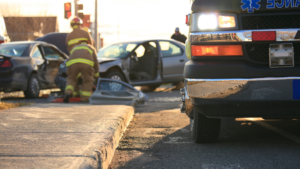
A fatal incident involving a pedestrian in Cobb County led to major roadway disruptions and an active investigation, according to Atlanta News First. Authorities responded to the scene to manage traffic, gather evidence, and determine the circumstances surrounding the crash. The collision resulted in blocked lanes, creating significant delays for drivers traveling through the area. Events like this highlight the serious risks pedestrians face and the lasting impact these crashes have on families and communities.
When a Cobb County pedestrian crash results in a tragic loss, families often face overwhelming emotional and financial challenges during an already difficult time. Medical expenses, funeral costs, and the sudden loss of support can create long-term strain without proper guidance. At Karell Law, we understand how devastating these situations can be, and we work closely with families to help them pursue justice and accountability. If you need support after a serious incident, call us at (678) 999-3331 today to discuss your options and take the next step forward.

Why Legal Representation Matters After a Cobb County Pedestrian Crash
At Karell Law, we understand how a Cobb County pedestrian crash can create complex legal challenges that require immediate attention and a strategic approach. We take the time to investigate the details of the incident, gather critical evidence, and identify all potential sources of liability. Our team works directly with insurance companies to protect your rights while pursuing compensation that reflects the full impact of the loss. With our guidance, you can focus on your family while we manage the legal process with care and diligence.
We also prioritize clear communication so you remain informed and supported throughout every stage of your case. Our team evaluates both financial losses and emotional impact to ensure that your claim reflects the full extent of your situation. We advocate aggressively on your behalf while addressing challenges such as disputed liability or insurance delays. When you work with us, you gain a dedicated legal partner committed to helping you move forward with confidence.
What to Do After a Cobb County Pedestrian Crash
Taking the right steps after a Cobb County pedestrian crash can protect your health, preserve evidence, and strengthen any potential legal claim. These situations often feel overwhelming, especially when injuries or fatalities are involved, which makes early action especially important. Acting carefully and promptly helps ensure that critical details remain available while supporting both recovery and accountability. A structured response can make a meaningful difference in the outcome of a case.
In addition, many individuals do not realize how quickly evidence can disappear or how early decisions may impact a claim. Taking proactive steps helps reduce uncertainty and provides a clearer path forward during a difficult time. Whether you are an injured victim or a family member, understanding what to do next helps protect your rights and supports a stronger case.
Prioritizing Safety and Medical Attention
Ensuring immediate safety and seeking medical care should remain the top priority after any pedestrian crash. Quick action helps prevent further harm while allowing professionals to assess injuries properly. Emergency responders also document key details that may become important later. These early steps establish a foundation for both recovery and legal claims.
Calling Emergency Services
Contacting emergency services ensures that law enforcement and medical personnel arrive quickly to manage the situation. Officers create official reports that document the crash, while paramedics provide necessary medical care. This response helps stabilize the situation and ensures that injuries receive attention. A police report also serves as valuable evidence.
Seeking Immediate Medical Evaluation
Even if injuries appear minor, a full medical evaluation helps identify underlying conditions that may worsen over time. Medical professionals document injuries and recommend treatment plans based on your condition. These records play an important role in both recovery and compensation claims. Early care supports better health outcomes and stronger documentation.
Documenting the Scene and Gathering Evidence
Collecting evidence at the scene helps preserve important details that may support your claim later. This information provides a clearer picture of how the crash occurred and who may be responsible. Taking time to document the scene ensures that nothing critical is overlooked. Strong evidence supports both investigations and legal claims.
Taking Photos and Videos
Photos and videos capture important details such as vehicle damage, road conditions, and surrounding areas. These visuals help demonstrate how the crash occurred and the severity of the impact. Capturing multiple angles provides a more complete view of the scene. Visual evidence strengthens the overall case.
Gathering Witness Information
Witnesses can provide valuable insight into how the crash occurred and who may be at fault. Collecting their contact information allows for follow-up statements later. Their accounts often support key details that may not appear in reports. Reliable witness testimony strengthens a claim.
Reporting the Crash and Following Up
Reporting the crash ensures that authorities begin an official investigation and create a formal record of the incident. Following up helps keep the case active and ensures that important updates are not missed. Staying engaged supports both accountability and the legal process. Consistent communication helps maintain progress.
Filing a Police Report
A police report provides an official account of the crash and includes key observations from responding officers. This document often becomes a central piece of evidence in claims. Providing accurate information ensures the report reflects the situation clearly. A detailed report strengthens the case.
Staying Informed About the Investigation
Remaining in contact with authorities helps ensure that any new developments receive attention. Updates may include additional evidence or progress in identifying responsible parties. Staying informed allows for timely responses when needed. Active involvement supports a stronger outcome.

Who May Be Liable in a Cobb County Pedestrian Crash
Determining liability after a Cobb County pedestrian crash requires a detailed and strategic evaluation of all contributing factors and involved parties. While a driver often holds primary responsibility, liability may extend beyond a single individual depending on the circumstances of the incident. Identifying every potential source of fault allows victims and families to pursue full compensation while ensuring accountability. A comprehensive approach helps uncover critical details that may otherwise go unnoticed during the claims process.
In many cases, liability involves multiple overlapping factors, including driver behavior, roadway conditions, and third-party involvement that contributed to the crash. Each element must be carefully analyzed to build a clear and accurate understanding of how the incident occurred. This process often requires reviewing evidence, consulting experts, and examining legal responsibilities. Taking a thorough and methodical approach strengthens the overall claim and improves the likelihood of a fair outcome.
Driver Negligence and Fault
Driver negligence remains one of the most common causes of pedestrian crashes and often forms the foundation of liability claims. Actions such as speeding, distracted driving, and failure to follow traffic laws frequently contribute to serious accidents involving pedestrians. Establishing negligence requires clear evidence that the driver failed to exercise reasonable care under the circumstances. This determination plays a critical role in building a strong and effective case.
Additionally, identifying negligence involves connecting the driver’s actions directly to the injuries sustained by the pedestrian. This process may include analyzing reports, reviewing footage, and evaluating witness statements. A well-supported claim demonstrates how the driver’s behavior created unsafe conditions. Strong evidence helps ensure that responsibility is clearly assigned.
Distracted or Impaired Driving
Drivers who use mobile devices, engage in other distractions, or operate vehicles under the influence create significant risks for pedestrians. These behaviors reduce reaction time and impair judgment, which often leads to preventable accidents with severe consequences. Evidence such as phone records, surveillance footage, and toxicology reports may support these claims. Demonstrating these actions strengthens liability and helps establish fault.
In addition, distracted or impaired driving often involves patterns of behavior that can be identified through investigation. Witness testimony and law enforcement observations may provide additional support. These details help create a clearer picture of what occurred. Addressing these factors strengthens the overall case.
Failure to Yield to Pedestrians
Many pedestrian crashes occur when drivers fail to yield at crosswalks, intersections, or areas where pedestrians have the right of way. This failure often results in serious injuries due to the lack of protection for individuals on foot. Reviewing traffic signals, road markings, and eyewitness accounts helps establish whether the driver violated traffic laws. Clear evidence supports stronger claims and improves the likelihood of a favorable outcome.
Furthermore, failure to yield may involve misjudging pedestrian movement or ignoring traffic control devices. These actions demonstrate a lack of reasonable care. Identifying these factors helps clarify responsibility. A detailed evaluation strengthens the claim.
Speeding and Reckless Driving
Excessive speed and reckless driving behaviors significantly increase the likelihood and severity of pedestrian crashes. Drivers who exceed speed limits or engage in aggressive maneuvers reduce their ability to react to unexpected situations. This behavior often results in more severe injuries or fatalities. Evidence such as crash reports and expert analysis helps demonstrate these actions.
In many cases, speeding also affects the extent of damages and the overall impact of the crash. Higher speeds often lead to more significant injuries and greater liability. Establishing this factor strengthens compensation claims. A thorough review supports a more complete case.
Third-Party Liability Considerations
In some situations, additional parties may share responsibility for factors that contributed to the crash beyond the driver’s actions. Identifying these parties expands potential sources of compensation and ensures that all responsible entities are held accountable. Each case requires careful evaluation to determine whether third-party liability applies. Including these factors creates a more comprehensive and effective claim.
Third-party liability often involves examining relationships, responsibilities, and environmental conditions that influenced the incident. These factors may not be immediately apparent but can play a significant role in the outcome. A detailed investigation helps uncover these connections. Addressing third-party involvement strengthens the overall case.
Property Owners and Unsafe Conditions
Poor lighting, obstructed views, or hazardous property conditions near roadways may increase the risk of pedestrian accidents. Property owners who fail to address these issues may share responsibility if their negligence contributed to the crash. Investigating the surrounding environment helps identify these risks and determine whether they played a role. Evidence such as photographs, maintenance records, and expert evaluations supports these claims.
Additionally, unsafe conditions may involve inadequate signage or poorly maintained walkways that create confusion for both drivers and pedestrians. These hazards can contribute to dangerous situations. Identifying these factors helps build a stronger case. A comprehensive approach ensures proper accountability.
Employers and Commercial Drivers
If a driver was working at the time of the crash, their employer may share responsibility under certain legal principles. This situation often arises in cases involving delivery drivers, rideshare operators, or company vehicles. Holding employers accountable may increase available compensation and provide additional insurance coverage. Employment records and work-related documentation help support these claims.
In addition, employer liability may involve reviewing training practices, supervision, and company policies. These factors can influence how responsibility is assigned. A detailed evaluation ensures that all relevant parties are considered. This approach strengthens the claim.
Vehicle Manufacturers and Defects
In some cases, defective vehicle components may contribute to a pedestrian crash. Issues such as brake failure, steering malfunctions, or faulty safety systems can create dangerous conditions for drivers and pedestrians alike. Manufacturers or maintenance providers may bear responsibility if defects played a role in the incident. Expert analysis often helps identify these issues.
Addressing potential defects ensures that all contributing factors receive proper consideration. This process may involve reviewing maintenance history and conducting technical evaluations. Identifying these elements strengthens the overall case. A complete investigation supports better outcomes.
Roadway and Government Liability
Road design, maintenance, and traffic control systems can also contribute to pedestrian accidents in certain cases. Government entities responsible for these conditions may bear liability if negligence exists. Evaluating these factors ensures a complete approach to accountability. A detailed investigation helps identify whether roadway conditions played a role in the crash.
Additionally, claims involving government entities often require adherence to specific procedures and deadlines. Understanding these requirements helps ensure that claims remain valid and properly filed. A careful approach supports a stronger case. Addressing these elements ensures a more comprehensive evaluation.
Poor Road Design or Maintenance
Issues such as missing crosswalks, damaged sidewalks, uneven pavement, or inadequate lighting can create hazardous conditions for pedestrians. These factors may increase the likelihood of accidents, especially in high-traffic areas. Identifying these hazards helps determine whether negligence contributed to the crash. Evidence such as maintenance records and expert assessments supports these claims.
Furthermore, poor design may include confusing layouts or lack of pedestrian-friendly infrastructure. These conditions can create unsafe environments for both drivers and pedestrians. Evaluating these elements helps clarify responsibility. A thorough approach strengthens the claim.
Malfunctioning Traffic Signals
Traffic signals, crosswalk indicators, and signage play a critical role in maintaining pedestrian safety. When these systems fail or operate incorrectly, confusion and accidents may occur. Investigating these issues helps determine whether a government entity shares liability for the crash. Proper evaluation ensures that all contributing factors are considered.
In addition, malfunctioning signals may involve delayed maintenance or known issues that were not addressed in a timely manner. These failures can significantly increase risk. Identifying these problems helps build a stronger case. Addressing these factors supports a more complete claim.
Comparative Fault and Shared Responsibility
In some Cobb County pedestrian crash cases, more than one party may share responsibility for the incident. Georgia follows a comparative fault system, which means liability may be divided based on each party’s level of involvement. Understanding how fault is allocated helps victims anticipate how compensation may be affected. A clear evaluation ensures that responsibility is distributed fairly.
This process often involves analyzing the actions of drivers, pedestrians, and other parties involved in the incident. Even small contributions to the circumstances may influence fault allocation. A thorough review ensures accuracy in determining responsibility. Proper evaluation supports a balanced outcome.
Evaluating Pedestrian Actions
In certain situations, pedestrian behavior may also be considered when determining liability. Factors such as crossing outside designated areas or failing to follow signals may influence fault allocation. Evaluating these actions helps create a complete picture of the incident. This analysis ensures that all contributing factors are considered.
However, even when partial responsibility exists, victims may still pursue compensation under comparative fault rules. Understanding this principle helps individuals make informed decisions. A balanced evaluation supports fair outcomes. This approach ensures that claims remain valid.
Impact of Fault Allocation on Compensation
The percentage of fault assigned to each party directly affects the amount of compensation that may be recovered. If a victim shares some responsibility, their compensation may decrease based on their level of fault. Understanding this process helps set realistic expectations during the claims process. Accurate fault assessment remains critical for achieving a fair result.
In addition, proper evaluation of fault ensures that compensation reflects the true circumstances of the case. This process requires careful analysis and strong supporting evidence. A well-prepared claim helps protect against unfair fault allocation. Strong advocacy supports a more favorable outcome.

How Atlanta Pedestrian Accident Attorneys Support Injured Victims in Cobb County
Atlanta pedestrian accident attorneys play a vital role in helping injured victims in Cobb County navigate the legal and financial challenges that follow a serious crash. These incidents often involve complex liability issues, severe injuries, and difficult interactions with insurance companies. Victims may feel overwhelmed while trying to recover physically and manage the claims process at the same time. With experienced legal support, individuals can better understand their rights and pursue compensation that reflects the full extent of their losses.
Conducting Thorough Accident Investigations
Attorneys begin by investigating the Cobb County pedestrian crash to determine how the incident occurred and who may be responsible. This process involves reviewing police reports, gathering witness statements, and analyzing available video footage from nearby cameras. A detailed investigation helps establish a clear timeline of events and identify contributing factors. Building a strong foundation early supports a more effective claim.
Collecting Scene Evidence and Documentation
Attorneys gather photos, incident reports, and physical evidence from the crash scene to support liability claims. These details often provide important insight into road conditions, vehicle positioning, and driver behavior. Preserving evidence early ensures that nothing critical is lost or overlooked. Strong documentation strengthens the overall case.
Working with Accident Reconstruction Experts
In complex cases, attorneys may consult accident reconstruction specialists to analyze how the collision occurred. These experts use data such as impact points and vehicle movement to recreate the event. Their findings help clarify disputed details and support liability arguments. Expert analysis adds credibility to the claim.
Handling Insurance Claims and Communication
Insurance companies often attempt to minimize payouts or dispute claims, which can create additional stress for injured victims. Attorneys manage all communication with insurers to protect the client’s interests and prevent misstatements. They review settlement offers and negotiate for compensation that accurately reflects the damages involved. This support allows victims to focus on recovery instead of navigating complicated insurance processes.
Responding to Settlement Offers
Initial settlement offers often fail to account for the full extent of injuries and long-term costs. Attorneys carefully evaluate these offers and present evidence that supports a higher valuation. They negotiate strategically to pursue fair compensation. This approach helps ensure that victims receive proper consideration.
Preventing Delays and Claim Denials
Delays and denials can slow the recovery process and create unnecessary frustration for victims. Attorneys submit complete documentation and respond quickly to insurer requests to keep the claim moving forward. This proactive approach reduces the risk of complications. Efficient handling supports better outcomes.
Calculating the Full Value of Damages
Determining the value of a claim requires careful evaluation of both financial losses and personal impact. Attorneys assess medical expenses, lost wages, and future care needs to ensure accurate calculations. They also consider non-economic damages such as pain and emotional distress. A comprehensive evaluation helps create a claim that reflects the true extent of harm.
Accounting for Medical Treatment and Recovery
Medical expenses often include emergency care, ongoing treatment, and rehabilitation services. Attorneys review records to ensure that all costs are included in the claim. They also consider future treatment needs that may arise. Proper evaluation supports a stronger claim.
Evaluating Emotional and Lifestyle Impact
Pedestrian accidents often lead to emotional distress and lifestyle changes that affect daily life. Attorneys gather evidence to demonstrate how the injuries impact overall well-being. Including these factors ensures a more complete claim. This approach strengthens compensation efforts.
Guiding Clients Through the Legal Process
The legal process can feel overwhelming, especially for individuals dealing with serious injuries and recovery. Attorneys provide step-by-step guidance and handle all procedural requirements to keep the case on track. This support allows clients to focus on healing while their case progresses. Clear communication helps reduce uncertainty and build confidence.
Managing Deadlines and Legal Requirements
Personal injury claims involve strict deadlines and filing requirements that must be met to remain valid. Attorneys track these timelines and ensure that all documents are submitted correctly and on time. This attention to detail helps prevent unnecessary complications. Staying organized supports a smoother process.
Preparing for Litigation When Necessary
While many cases settle through negotiation, some require formal legal action to achieve fair results. Attorneys prepare for litigation by gathering evidence, consulting experts, and developing a strong strategy. They represent clients in court and advocate for their interests effectively. This readiness ensures strong representation regardless of how the case develops.

Contact an Experienced Cobb County Pedestrian Crash Lawyer Today
Taking action after a serious pedestrian crash can feel overwhelming, especially when families are dealing with emotional loss and uncertainty about what comes next. Our team at Karell Law carefully reviews every detail of your situation and develops a strategy tailored to your specific needs and long-term goals. We handle investigations, documentation, and negotiations so you can focus on healing and supporting your loved ones during this difficult time.
Every case deserves thoughtful attention and a compassionate approach that reflects the seriousness of the situation. We work closely with you to understand the full impact of the crash, including financial hardship and emotional strain that may continue over time. Our team remains committed to pursuing accountability and fair compensation while providing consistent support throughout the process, so call us at (678) 999-3331 today or reach out online to discuss your case and explore your options.