
 (678) 999-3331
Fatal I-70 Accident Sees Driver Crash Head-On to Tractor-Trailer Accident Outside of Atlanta
A tragic crash on Interstate 75 in north Georgia outside of Atlanta left three people dead after the driver fled from a traffic stop and crashed head-on into a tractor-trailer, according to local reporting. The collision forced a long closure of the southbound lanes in Catoosa County as emergency crews responded. The crash occurred after the driver attempted to evade the traffic stop, leading to the deadly head-on collision with the semi truck. Authorities are still working to identify the victims and reconstruct the chain of events that led to the crash. The severity of the accident and the suspected fleeing behavior have prompted renewed concern about reckless driving and its tragic consequences on Georgia’s highways
Atlanta tractor-trailer accident cases like this highlight how quickly a police encounter can escalate into a devastating loss for multiple families. High-speed impacts involving commercial trucks often lead to catastrophic injuries and fatalities because smaller vehicles cannot withstand the force of a head-on collision with a fully loaded rig. Survivors and loved ones are frequently left grappling with grief, unanswered questions, and significant financial strain as investigations unfold. Our attorneys at Karell Law understand the compounding tragedy such catastrophic collisions create, and we’re here to help you seek the compensation you deserve. If you or someone close to you has been affected by an Atlanta tractor-trailer accident, give us a call today at (678) 999-3331 to get started on your journey to healing.
Let an Experienced Lawyer Help After a Serious Atlanta Tractor-Trailer Accident
At Karell Law, we understand how a serious Atlanta tractor-trailer accident can leave victims and families facing life-altering consequences, from severe injuries to overwhelming financial burdens. We recognize the urgency these cases demand and the importance of acting quickly to preserve critical evidence before it disappears. Our team works diligently to gather crash reports, obtain witness statements, analyze roadway conditions, and review any available dash-camera or commercial carrier records. By uncovering every detail surrounding the collision, we build a clear and compelling picture of what happened and who should be held accountable. Our goal is to protect your rights from the very beginning and lay the groundwork for a strong claim on your behalf.
Tractor-trailer accident cases often involve multiple parties, complex regulations, and high-stakes insurance issues that can easily overwhelm victims already dealing with physical and emotional trauma. Many families struggle to manage medical treatment, lost income, and painful uncertainty while trying to understand their legal options. At Karell Law, we step in to provide guidance, clarity, and skilled representation during this difficult time. Our attorneys assess the full extent of your losses, examine all potential sources of liability, and pursue every avenue for compensation that the law allows. With our dedicated team handling these critical steps, you can focus on healing while we work tirelessly to secure the justice and financial support you deserve.
Why Atlanta Tractor-Trailer Accident Cases Require Detailed Investigation
Atlanta tractor-trailer accident cases require detailed investigation because these collisions often involve complex circumstances that unfold quickly and create disputed accounts. Multiple vehicles, high travel speeds, and commercial trucking regulations can make it difficult to understand how the crash occurred. Attorneys must review physical evidence, company records, and driver actions to uncover critical details. Insurance carriers often challenge claims aggressively which makes thorough analysis important for protecting victims. Understanding the investigation process helps families see why these cases demand careful attention from experienced professionals.
Examining Physical Evidence at the Crash Scene
Investigators typically begin by studying the roadway, vehicle positions, and impact locations to understand how the crash developed. Skid marks, debris patterns, and gouges in the pavement may reveal speed, direction, or braking actions. Photographs and measurements help preserve conditions that change quickly once the scene is cleared. These details often form the foundation for reconstructing events. Accurate physical evidence analysis plays an important role in determining fault.
Why Scene Evidence Helps Clarify Collision Mechanics
Scene evidence shows how each vehicle moved before and after the impact. Clear markings may reveal reaction times and stopping distances. Road damage may indicate vehicle weight or force at impact. These observations provide important insight into driver behavior. Attorneys use these findings to support liability arguments.
Reviewing Driver Conduct and Compliance
Driver conduct is a major focus in Atlanta tractor-trailer accident investigations because commercial drivers must follow strict safety standards. Investigators evaluate whether the driver followed traffic laws and maintained appropriate speed during roadway conditions. They also review logbooks, rest records, and potential distractions that may have contributed to the crash. Fatigue, improper lane changes, or delayed braking often appear in collision reports. Understanding driver actions helps reveal whether negligence occurred.
Why Driver Behavior Matters in Complex Truck Cases
Unsafe choices may create cascading events that affect multiple vehicles. Fatigue may reduce reaction time significantly. Distraction may prevent drivers from recognizing hazards. Improper maneuvers may cause sudden lane conflicts. These issues help establish responsibility.
Investigating Trucking Company Practices
Trucking company practices play a significant role because companies must maintain safe vehicles and ensure proper driver training. Investigators review maintenance logs, hiring records, and dispatch schedules to assess whether safety protocols were followed. Poor oversight may create unsafe conditions that contribute to the crash. Unrealistic delivery deadlines may pressure drivers to exceed safe limits. These reviews help determine whether the company shares liability.
How Company Failures Contribute to Accidents
Inadequate training may leave drivers unprepared for emergencies. Poor maintenance may cause sudden mechanical failures. Scheduling demands may push drivers beyond safe hours. Faulty supervision may allow risky behavior. These issues increase collision risk.
Analyzing Electronic and Onboard Vehicle Data
Modern tractor-trailers often carry electronic control modules and GPS systems that record important operational data. These devices may reveal speed, braking patterns, steering adjustments, and route details leading up to the crash. Investigators must secure this information quickly to avoid loss or overwriting. Electronic data often provides an unbiased timeline that supports or challenges witness statements. This digital evidence helps clarify the moments before impact.
Why Electronic Logs Improve Case Accuracy
Electronic logs remove guesswork by providing exact data. Sudden speed changes may become clear through recorded readings. Brake timing may show whether the driver reacted promptly. Route deviations may indicate confusion or distraction. Attorneys use these findings to strengthen claims.
Interviewing Witnesses and Gathering Statements
Witness statements often help explain events that physical evidence alone cannot show. Witnesses may describe erratic driving, unsafe lane changes, or hazards not visible in photographs. Early interviews capture clearer memories before details fade. Investigators must evaluate each statement for consistency and reliability. Witness insights may play a powerful role in supporting liability findings.
How Witness Accounts Strengthen Investigations
Witnesses may confirm driver negligence. Their perspectives may reveal dangerous conditions unseen by officers. Consistent testimony enhances credibility during negotiations. Contradictions may highlight investigative gaps. Attorneys rely on these accounts to reinforce evidence.
Coordinating Expert Analysis for Complex Questions
Experts often assist in Atlanta tractor-trailer accident investigations because technical issues require specialized knowledge. Accident reconstruction specialists may recreate the crash using physical evidence and digital data. Mechanical experts may analyze vehicle defects or failures. Safety experts may evaluate company policies or compliance issues. These professionals provide clarity in highly complex cases.
Why Expert Input Supports Stronger Claims
Experts help explain technical evidence in simple terms. Their findings add authority to liability arguments. They help identify hidden issues that affect responsibility. Their reports strengthen negotiation positions. Courts rely heavily on expert conclusions during litigation.
Understanding Liability in an Atlanta Tractor-Trailer Accident Case
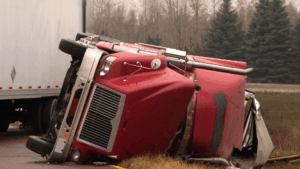
Understanding liability in an Atlanta tractor-trailer accident case is important because several parties may share responsibility for the collision. These accidents often involve complex contributing factors such as driver conduct, company practices, roadway conditions, and mechanical performance. Determining fault requires careful examination of evidence collected at the scene and through post-crash investigations. Insurance carriers may dispute liability aggressively which makes clear documentation especially important for victims. Learning how liability is assigned helps individuals understand the challenges these cases present.
Identifying the Truck Driver’s Role in the Collision
Truck drivers may be held liable when unsafe driving behavior contributes to the crash. Investigators look for signs of speeding, improper lane changes, distraction, or fatigue that may have influenced events. They also review compliance with traffic laws and required safety procedures. Driver conduct often becomes one of the most significant factors in determining fault. This review helps reveal whether negligent actions occurred on the roadway.
Why Driver Negligence Frequently Shapes Liability
Unsafe maneuvers can create unavoidable hazards for surrounding vehicles. Fatigue may delay essential reaction times. Distraction may prevent drivers from recognizing changing traffic conditions. Poor decision making may increase collision severity. These factors help establish responsibility clearly.
Evaluating the Trucking Company’s Potential Liability
Trucking companies may share liability when company policies or maintenance practices contribute to unsafe conditions. Investigators review safety procedures, maintenance logs, and scheduling practices that may pressure drivers. Companies must ensure vehicles remain safe and drivers remain properly trained. Failure to meet these responsibilities may lead to shared or primary liability. This evaluation helps determine whether corporate oversight influenced the crash.
How Company Oversight Affects Collision Risk
Poor maintenance may cause sudden equipment failures. Inadequate training may leave drivers unprepared for difficult road conditions. Unsafe scheduling may push drivers beyond safe working hours. Faulty supervision may allow repeated violations. These issues often increase accident likelihood.
Considering Third-Party Liability Factors
Some Atlanta tractor-trailer accidents involve additional parties who may influence how liability is divided. Cargo loading companies may be responsible when improper loading affects vehicle stability. Maintenance contractors may share blame when faulty repairs or inspections contribute to failure. Other motorists may also play a role if their unsafe behavior triggers events that lead to the crash. Each possibility requires careful review to ensure all responsible parties are identified.
Why Multi-Party Liability Requires Detailed Analysis
Different parties may present conflicting explanations. Overlapping responsibilities may complicate conclusions. Evidence may point to several contributing factors rather than one cause. Insurers may argue to minimize their share of liability. Attorneys must review each detail thoroughly.
Assessing Mechanical or Equipment Failures
Mechanical failures may occur when brakes, tires, steering components, or electrical systems malfunction unexpectedly. Investigators examine vehicle components to determine whether defects contributed to the collision. Some failures may relate to manufacturer defects while others may reflect poor maintenance. Identifying the source of the failure is important for assigning liability correctly. Mechanical evidence plays a major role in many truck accident cases.
How Equipment Defects Influence Liability Decisions
Defective parts may shift responsibility toward manufacturers. Maintenance errors may place liability on service providers. Sudden failures may reduce blame on the driver. Clear documentation helps determine the true cause. Mechanical findings guide legal strategy.
Reviewing Roadway and Environmental Conditions
Liability may also involve factors related to roadway design, construction activity, or environmental conditions. Poor signage, damaged pavement, or unclear lane markings may contribute to unsafe situations. Weather conditions such as rain or fog may reduce visibility or traction. These conditions may influence how drivers respond to hazards. Proper evaluation helps determine whether external factors contributed to the crash.
Why Road Conditions Matter in Liability Analysis
Dangerous pavement may reduce vehicle stability significantly. Missing signs may confuse drivers during lane changes. Poor lighting may increase risk during nighttime travel. Construction zones may complicate traffic flow. These factors help explain complex crash dynamics.
The Importance of Evidence in Determining Liability
Clear evidence is essential for establishing liability in tractor-trailer accident cases. Attorneys use police reports, photographs, electronic data, and expert analysis to build strong arguments. Each piece of evidence helps reveal how the collision occurred and which parties played a role. Strong documentation helps prevent insurers from shifting blame unfairly. Comprehensive evidence evaluation supports fair and accurate outcomes.
Why Evidence Strength Directly Impacts Case Results
Reliable evidence increases negotiation leverage significantly. Weak evidence may lead to reduced compensation. Detailed findings may encourage faster resolution. Clear documentation helps limit disputes. Strong evidence supports more favorable results for victims.
What To Do Immediately After an Atlanta Tractor-Trailer Accident
Knowing what to do immediately after an Atlanta tractor-trailer accident is important because these collisions often cause severe injuries and intense confusion. The size and force of a commercial truck can leave victims shocked, disoriented, and unsure how to protect themselves legally and medically. Taking the right steps early helps preserve your safety and strengthens any future claim. These steps also prevent important evidence from being lost or damaged as the scene changes. Understanding how to respond can make a significant difference in the outcome of your case.
Check for Injuries and Call Emergency Responders
Your first priority is checking for injuries and ensuring emergency responders are alerted quickly. Serious tractor-trailer collisions often cause injuries that may not appear immediately due to adrenaline. Calling 911 ensures police, firefighters, and paramedics arrive to secure the scene. Their documentation helps create important evidence used later in legal evaluations. Quick medical attention also protects your health before symptoms worsen.
Why Immediate Medical Attention Helps Protect Your Claim
Medical records show the connection between the crash and your injuries. Delays may allow insurers to question severity. Proper documentation helps support long term treatment needs. Early care prevents complications that may harm recovery. Accurate medical reports strengthen overall case value.
Move to a Safe Area if Possible
If your vehicle can move, relocate it to a safe position away from traffic. Remaining in active lanes may expose you to additional danger from passing vehicles. Turn on hazard lights to alert approaching drivers to the crash scene. If movement is impossible, remain inside the vehicle when safe to avoid oncoming traffic. These steps help reduce the risk of further harm.
How Safety Measures Prevent Additional Injuries
Visibility helps other drivers avoid secondary collisions. Clear hazard signals guide responders toward the proper location. Proper placement reduces risks caused by oncoming traffic. Safety precautions protect passengers and witnesses. Quick actions improve scene safety overall.
Document the Scene and Gather Important Information
Scene documentation helps preserve evidence that may disappear quickly after the accident. Photographs of vehicle damage, roadway conditions, debris patterns, and weather conditions help reconstruct events. Exchange information with all involved drivers including names, insurance details, and contact information. Collect witness names and statements if possible. These details support your claim during later investigations.
Why Scene Photos Improve Liability Determinations
Photos capture moment specific conditions before cleanup occurs. Images show angles, distances, and vehicle positions that reveal collision dynamics. Photographs may contradict incorrect statements from other parties. Visual proof helps clarify complicated events. Attorneys rely heavily on these records.
Request the Official Police Report
Police reports serve as essential documentation in tractor-trailer accident cases. Officers record driver statements, witness accounts, and important observations about road conditions. They also note any visible injuries or traffic violations that may influence liability. Requesting a copy ensures you understand how the incident was documented. This report becomes a key piece of evidence during legal proceedings.
Why Police Reports Influence Insurance Evaluations
Insurers rely heavily on officer findings during claim reviews. Report accuracy may affect liability assessments. Mistakes may weaken your position during negotiations. Clear documentation supports stronger legal arguments. Reviewing reports helps identify issues early.
Avoid Admitting Fault or Making Speculative Statements
Tractor-trailer collisions often involve complicated factors that victims cannot fully understand at the moment. Statements made in confusion may be misinterpreted later. Avoid apologizing, accepting blame, or guessing about what happened. Share only basic and required information with other drivers. Allow investigators and attorneys to evaluate facts based on evidence.
Why Early Statements Can Damage Your Case
Casual comments may appear as admissions of fault. Insurers may use unclear statements during dispute reviews. Stress may cause inaccurate descriptions of the event. Waiting for legal guidance helps prevent harmful mistakes. Careful communication supports a stronger claim.
Notify Your Insurance Company Promptly
Inform your insurer about the accident as soon as possible to begin the claims process. Provide accurate and factual information without speculation. Insurance policies often require timely reporting which makes early communication important. Be cautious when answering questions to avoid misunderstandings. Attorneys can assist if insurers request recorded statements.
Why Insurance Communication Must Be Handled Carefully
Insurers may frame questions to limit payouts. Inaccurate statements may create complications later. Legal advice helps ensure proper responses. Clear communication supports fair claim evaluation. Early guidance protects your rights during the process.
Seek Ongoing Medical Evaluation and Treatment
Medical symptoms may worsen in the days after a tractor-trailer accident. Follow up with healthcare providers to document additional injuries or complications. Consistent medical care helps support long term recovery. Treatment records provide strong evidence of physical and emotional impact. These records help ensure that all injuries receive proper attention during the claims process.
Why Consistent Treatment Strengthens Your Claim
Regular appointments show the seriousness of your injuries. Gaps in care may raise questions from insurers. Detailed medical records support compensation for long term needs. Consistency helps clarify how the accident affected your life. Attorneys use these records to support stronger claims.
Consult an Atlanta Tractor-Trailer Accident Attorney
Contacting an attorney early helps protect your rights and ensures critical evidence is preserved. Attorneys can handle communication with insurers, investigate the accident, and guide you through important decisions. Legal guidance helps reduce stress during a difficult and confusing time. Early representation often leads to stronger case results. A knowledgeable attorney can help you pursue fair compensation for your injuries and losses.
Why Early Legal Representation Provides a Strong Advantage
Attorneys recognize evidence that others may overlook. Early involvement allows prompt preservation of proof. Legal guidance helps prevent mistakes during claims. Experienced counsel strengthens negotiation positions. Proper representation improves outcomes significantly.
How Evidence Is Preserved After an Atlanta Tractor-Trailer Accident
Evidence preservation after an Atlanta tractor-trailer accident is important because crucial details may disappear quickly once the scene is cleared. Large commercial vehicles often create widespread damage that changes rapidly as emergency crews work to restore traffic flow. Weather, lighting, and environmental conditions may also alter evidence within minutes. Proper preservation helps investigators understand how the collision occurred and who may be responsible. Victims benefit greatly when strong evidence supports their claims.
Documenting the Crash Scene Before Conditions Change
Investigators often begin by photographing the roadway, surrounding area, and vehicle positions to capture conditions accurately. These photos may show skid marks, debris patterns, pavement gouges, and roadway obstructions that reveal how the crash unfolded. Measurements help preserve distances and angles that later support reconstruction efforts. Officers also record weather conditions, lighting, and visibility at the time of the crash. Early documentation plays a vital role in understanding collision dynamics.
Why Scene Documentation Helps Protect Key Details
Photos preserve conditions that may disappear during cleanup. Measurements strengthen later analysis of speeds and vehicle movement. Environmental details explain how hazards developed. Documentation may contradict inaccurate statements from involved parties. These preserved details support clearer liability assessments.
Securing and Examining the Vehicles Involved
Each vehicle contains important information about the crash. Investigators examine damage patterns to determine impact points and collision severity. Airbag deployment helps show timing and reaction. Mechanical components such as brakes, tires, and steering are inspected for failure. Preserving the vehicles ensures important clues remain available for later review.
Why Vehicle Preservation Supports Accurate Conclusions
Damage reveals direction and force of impact. Mechanical issues may indicate faulty maintenance or manufacturing defects. Consistent patterns may support reconstruction expert findings. Preserving vehicles prevents accidental loss of crucial clues. These details help clarify responsibility.
Collecting Witness Statements Quickly
Witnesses may provide critical information that physical evidence cannot show. Observations about speeding, swerving, or distracted driving often fill gaps in the timeline. Memories fade quickly which makes early statements important. Investigators gather names and contact details to follow up later. Strong witness testimony helps support or challenge claims.
Why Witness Accounts Strengthen Liability Arguments
Witnesses may confirm unsafe behavior. Their perspectives may reveal hazards unseen by drivers. Early statements remain more accurate than later recollections. Consistent accounts build credible narratives. Attorneys use these statements to enhance case strength.
Preserving Electronic and Digital Data
Modern tractor-trailers contain electronic control modules and GPS systems that record important data. These systems may track speed, braking, steering, and route changes before the collision. Dash cameras may capture valuable footage of roadway events. Digital data must be preserved quickly to prevent loss or overwriting. This evidence often becomes central in determining fault.
Why Electronic Records Provide Objective Insight
Recorded data shows precise driver actions. GPS logs confirm location and timing. Dash footage may reveal surrounding traffic conditions. Electronic records support or challenge driver statements. These objective findings help create a clearer understanding of events.
Protecting Evidence From Environmental Loss
Weather, traffic, and cleanup efforts may alter or destroy important evidence. Rain may wash away skid marks or debris. Sunny conditions may distort shadows that would otherwise help identify impact direction. Tow trucks may move vehicles before measurements occur. Investigators must act quickly to preserve valuable information.
Why Timely Preservation Helps Build Stronger Cases
Delayed collection increases risk of lost details. Missing evidence may weaken key arguments. Early preservation allows accurate reconstruction. Clear and complete findings support fair outcomes. Swift action helps protect victim interests.
Using Experts to Preserve and Interpret Evidence
Experts such as accident reconstruction specialists, mechanical engineers, and forensic analysts often assist in evidence preservation. Their knowledge helps identify which details matter most in complex tractor-trailer cases. Experts may examine black box data, evaluate mechanical failures, or recreate vehicle movement. Their reports help explain technical issues in understandable terms. Expert involvement adds strength and reliability to the investigation.
Why Expert Support Improves Case Outcomes
Experts offer insight that general investigators may overlook. Their conclusions strengthen negotiation positions. Courts rely on expert testimony for technical clarity. Expert analysis helps reduce uncertainty in disputed cases. These contributions support more accurate liability decisions.
Contact a Knowledgeable Atlanta Truck Accident Attorney Today
When you or a loved one has been injured in a serious truck collision, speaking with a knowledgeable attorney as soon as possible can make a meaningful difference in how your case progresses. Atlanta tractor-trailer accidents often involve complex questions about driver conduct, commercial carrier responsibilities, and federal safety regulations that must be examined with care. At Karell Law, we understand how overwhelming these situations can feel, especially when victims are facing catastrophic injuries, long-term treatment, or the sudden loss of a family member. Our team works tirelessly to gather critical evidence, consult with industry experts, and build a clear and compelling case that reflects the full impact of the crash. We take the time to answer your questions, explain your rights, and guide you through every step of the legal process with clarity and compassion.
Our firm is committed to supporting victims and families throughout their recovery, providing both strong legal advocacy and steady guidance during an incredibly difficult period. We work to secure compensation that accounts not only for medical care and vehicle damage but also for lost income, emotional trauma, and the long-term effects a tractor-trailer accident can leave behind. At Karell Law, we believe every victim deserves a legal team that fights for accountability and justice from the first consultation to the final resolution. If you or someone you care about has been affected by an Atlanta truck accident, call us today at (678) 999-3331 or reach out through our online contact form to begin building the support and representation you deserve.