
 (678) 999-3331
Two Pedestrians Killed in Separate Metro Atlanta Highway Crashes on Same Morning
Home » Two Pedestrians Killed in Separate Metro Atlanta Highway Crashes on Same Morning

Two Pedestrians Killed in Separate Metro Atlanta Highway Crashes on Same Morning
A series of metro Atlanta pedestrian crashes resulted in the deaths of two individuals in separate highway incidents on the same morning, as reported by FOX 5 Atlanta. The crashes occurred in different parts of the metro area and caused significant traffic disruptions during early hours. Emergency responders arrived quickly at both scenes, but the severity of the incidents led to fatal outcomes. Authorities worked to manage traffic while beginning investigations into the circumstances surrounding each crash. Officials continue reviewing what factors contributed to these tragic and preventable pedestrian accidents.
These devastating incidents highlight how vulnerable pedestrians are on busy highways and roadways. At Karell Law, we understand the emotional and financial impact these tragedies have on families seeking answers and accountability. We work closely with clients to help them understand their legal options while pursuing compensation for their losses. Our team is committed to providing compassionate support and strong advocacy throughout the legal process. If your family has been affected by a serious pedestrian accident, call us today at (678) 999-3331 to discuss your situation and learn how we can help.

Why Legal Representation Is Crucial in Metro Atlanta Pedestrian Crashes
At Karell Law, we understand that metro Atlanta pedestrian crashes often involve severe injuries, complex liability issues, and life-altering consequences for victims and families. These cases frequently require detailed investigations to determine how the incident occurred and who may be responsible. We work diligently to gather evidence, review reports, and build strong claims that reflect the full impact of the loss or injury. Our team focuses on protecting your rights while ensuring that insurance companies do not undervalue your claim. Through this process, we provide clear guidance and strong advocacy when it matters most.
In addition, we recognize that pedestrian accidents often result in long-term challenges, including medical expenses, lost income, and emotional distress. That is why we remain committed to supporting our clients through every stage of the legal process. We communicate clearly, provide updates, and help you make informed decisions about your case. Our goal is to pursue compensation that reflects both immediate needs and future financial impacts. With our support, families can focus on healing while we handle the legal complexities.

Who May Be Liable in Metro Atlanta Pedestrian Crashes
Determining liability in metro Atlanta pedestrian crashes often requires a detailed review of the circumstances surrounding the incident. These cases can involve multiple parties, including drivers, property owners, or even government entities. Each situation must be carefully analyzed to understand who may be responsible for the crash. Evidence such as police reports, witness statements, and traffic data plays a key role in this process. Identifying all liable parties is essential when pursuing full compensation.
In addition, liability may not always fall on a single individual, as multiple factors can contribute to a pedestrian accident. Drivers, roadway conditions, and external influences may all play a role in how the incident occurred. Understanding how these elements interact helps create a clearer picture of responsibility. A thorough evaluation ensures that no contributing factor is overlooked. This approach supports a stronger and more accurate claim.
Driver Negligence and Traffic Violations
Drivers are often a primary source of liability in pedestrian crashes, especially when traffic laws are not followed. Actions such as speeding, distracted driving, or failing to yield at crosswalks can lead to serious accidents. These behaviors increase the risk of collisions and often result in preventable injuries. Reviewing driver conduct helps determine whether negligence played a role. This information is critical when establishing fault.
Failure to Yield to Pedestrians
Drivers are required to yield to pedestrians in marked crosswalks and other designated areas. When this rule is ignored, the risk of a collision increases significantly. Failure to yield is a common cause of pedestrian accidents in busy areas. Establishing whether this violation occurred helps clarify liability. Supporting evidence strengthens this determination.
Distracted or Impaired Driving
Distractions such as mobile device use can prevent drivers from noticing pedestrians in time to react. Impaired driving due to alcohol or other substances further increases the risk of accidents. These factors reduce awareness and reaction time. Evidence such as phone records or toxicology reports may help confirm these issues. This information plays an important role in determining responsibility.
Potential Third-Party Liability
In some cases, liability may extend beyond the driver involved in the crash. Poor roadway design, inadequate lighting, or malfunctioning traffic signals can contribute to dangerous conditions. Property owners or government agencies responsible for maintaining safe environments may share responsibility. Identifying these additional factors helps ensure that all liable parties are considered. This approach supports a more complete claim.
Unsafe Roadway Conditions
Road hazards such as poorly marked crosswalks or insufficient lighting can increase the risk of pedestrian accidents. These conditions may make it difficult for drivers to see pedestrians in time to avoid a collision. Investigating maintenance records and roadway design can reveal potential issues. This information helps determine whether external factors contributed to the crash. Addressing these concerns is essential for establishing liability.
Defective Traffic Signals or Signage
Malfunctioning traffic lights or unclear signage can create confusion for both drivers and pedestrians. These issues may lead to unsafe situations at intersections or crossings. Reviewing traffic signal data can help identify whether a malfunction occurred. This evidence may expand liability beyond the driver. Understanding these factors is important for building a strong case.
Injuries Commonly Seen in Metro Atlanta Pedestrian Crashes
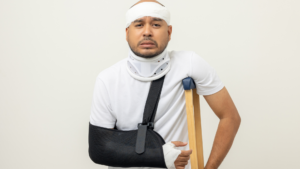
Metro Atlanta pedestrian crashes often result in severe injuries due to the lack of protection for individuals on foot. Unlike vehicle occupants, pedestrians are directly exposed to the force of impact during a collision. These injuries can require extensive medical treatment and long recovery periods. In many cases, the physical effects are accompanied by emotional and financial challenges. Understanding the types of injuries involved helps highlight the seriousness of these accidents.
Furthermore, the long-term impact of these injuries can affect a person’s ability to work and maintain daily activities. Recovery may involve ongoing medical care, rehabilitation, and lifestyle adjustments. These challenges can place additional strain on both victims and their families. Identifying the full scope of injuries is essential when evaluating damages. This ensures that all aspects of recovery are properly considered.
Head and Traumatic Brain Injuries
Head injuries are among the most serious outcomes of pedestrian accidents. The force of impact can cause concussions or more severe brain trauma, even at lower speeds. These injuries can affect cognitive function, memory, and coordination. Long-term effects may require rehabilitation and continued medical care. Proper documentation is essential when addressing these injuries.
Concussions and Mild Brain Trauma
Concussions may appear minor but can have lasting effects on daily life. Symptoms often include headaches, dizziness, and difficulty concentrating. These issues can interfere with work and routine activities. Early diagnosis and treatment are important for recovery. Medical records help establish the connection to the crash.
Severe Traumatic Brain Injuries
More serious brain injuries can lead to long-term impairment or permanent disability. Victims may require ongoing care and assistance with daily activities. These injuries can significantly impact independence and quality of life. Comprehensive documentation helps reflect the full extent of the damage. This information supports a stronger claim.
Orthopedic and Internal Injuries
Pedestrian crashes frequently result in broken bones and internal injuries due to the force of impact. These injuries often require immediate medical attention and may involve surgery. Recovery can take months and may include physical therapy and rehabilitation. Internal injuries may not be immediately visible, making early evaluation essential. These conditions can have lasting effects on overall health.
Fractures and Mobility Limitations
Broken bones are common in pedestrian accidents and can limit mobility for extended periods. Treatment may involve surgery, casting, and rehabilitation. These injuries can affect the ability to work and perform daily tasks. Long-term complications may also arise in some cases. Proper care is essential for recovery.
Internal Organ Damage
Internal injuries can be life-threatening if not treated promptly. Damage to organs may not present symptoms immediately after the crash. Diagnostic testing is often required to identify these issues. Ongoing monitoring may be necessary during recovery. These injuries highlight the importance of immediate medical attention.
Soft Tissue and Long-Term Impact Injuries
Soft tissue injuries may not always be immediately visible but can cause significant discomfort over time. These injuries can affect muscles, ligaments, and tendons, leading to chronic pain. Recovery may require ongoing therapy and treatment. These conditions can interfere with daily activities and overall quality of life. Proper evaluation helps ensure they are fully documented.
Whiplash and Muscle Strain
Whiplash and muscle strain can result from the sudden force of impact during a crash. These injuries may cause stiffness, pain, and reduced mobility. Symptoms can develop over time and require treatment. Early evaluation helps prevent long-term complications. Documentation supports recovery and claims.
Chronic Pain and Reduced Function
Some injuries lead to long-term pain that affects daily life and independence. Chronic conditions may require ongoing medical care and adjustments to routine activities. These effects can impact both physical and emotional well-being. Evaluating these long-term consequences is essential. This ensures that compensation reflects the full impact of the injury.

Why Pedestrians Face Higher Risks in Metro Atlanta Traffic
Pedestrians face significant risks in metro Atlanta pedestrian crashes due to the combination of heavy traffic, high-speed roadways, and limited pedestrian infrastructure in certain areas. Many roads are designed primarily for vehicle flow rather than pedestrian safety, which increases the likelihood of serious accidents. Busy intersections, wide lanes, and fast-moving traffic can make it difficult for drivers to react in time when pedestrians are present. As a result, even a moment of inattention can lead to severe consequences. Understanding these risks helps highlight the importance of safety awareness and proper precautions.
In addition, urban growth and increased traffic congestion contribute to more complex driving conditions across metro Atlanta. As more vehicles occupy the road, the chances of driver error or delayed reaction times increase. Pedestrians may also encounter challenges when crossing streets that lack adequate signals or clearly marked crosswalks. These factors combine to create an environment where accidents are more likely to occur. Recognizing these conditions helps explain why pedestrian safety remains a critical concern.
High-Speed Traffic and Busy Roadways
Many roads throughout metro Atlanta are designed to support higher speeds, which can increase the severity of pedestrian accidents. When vehicles travel at faster speeds, drivers have less time to react to unexpected situations. This can make it difficult to avoid a collision, especially in areas with heavy traffic flow. Pedestrians are particularly vulnerable in these conditions due to their lack of protection. Higher speeds often result in more serious injuries when accidents occur.
Reduced Driver Reaction Time
As vehicle speeds increase, the amount of time drivers have to notice and respond to pedestrians decreases significantly. Even a brief delay in reaction can lead to a collision. Drivers may not have enough distance to stop safely when a pedestrian enters the roadway. This creates a dangerous situation, particularly in high-traffic areas. Understanding this limitation helps explain the risks pedestrians face.
Increased Severity of Impact
Collisions at higher speeds tend to result in more severe injuries for pedestrians. The force of impact increases as speed rises, which can lead to life-threatening outcomes. Even minor increases in speed can significantly affect the severity of injuries. This makes high-speed roadways especially hazardous for pedestrians. These conditions highlight the importance of caution and awareness.
Limited Pedestrian Infrastructure
In some parts of metro Atlanta, pedestrian infrastructure may be limited or inconsistent. This includes a lack of sidewalks, poorly marked crosswalks, or insufficient lighting in certain areas. Without these safety features, pedestrians may be forced to navigate unsafe conditions. This increases the likelihood of accidents, especially at night or in low-visibility environments. Improving infrastructure plays a key role in reducing these risks.
Lack of Safe Crossing Areas
Not all roads provide clearly designated crosswalks or pedestrian signals. This can make it difficult for pedestrians to cross safely, particularly on busy streets. Without proper crossing points, individuals may attempt to cross in unsafe locations. This increases the risk of collisions with oncoming traffic. Providing safe crossing areas is essential for improving safety.
Poor Visibility and Lighting Conditions
Low lighting conditions can make it difficult for drivers to see pedestrians, especially during early morning or nighttime hours. Poor visibility reduces the ability to react in time to avoid a collision. Pedestrians may also be less visible if they are wearing dark clothing. These factors contribute to a higher risk of accidents. Adequate lighting is an important safety measure.
Driver Behavior and Distraction
Driver behavior plays a significant role in metro Atlanta pedestrian crashes, particularly when distractions or negligence are involved. Activities such as texting, adjusting in-vehicle systems, or failing to remain attentive can increase the risk of accidents. Even a brief distraction can prevent a driver from noticing a pedestrian in time to react. This creates dangerous situations, especially in high-traffic areas. Addressing these behaviors is essential for improving safety.
Distracted Driving
Distracted driving remains a major contributor to pedestrian accidents. Drivers who focus on their phones or other distractions may miss important visual cues on the road. This can include failing to notice pedestrians crossing or standing near intersections. Reduced attention increases the likelihood of a collision. Awareness of this risk is critical.
Failure to Yield and Observe Surroundings
Drivers who fail to yield to pedestrians or properly observe their surroundings create unsafe conditions. This often occurs at intersections or crosswalks where attention is required. Ignoring traffic laws or rushing through intersections increases the risk of accidents. These behaviors contribute significantly to pedestrian crashes. Proper adherence to traffic rules helps reduce these risks.
Environmental and Traffic Conditions
Environmental factors and traffic patterns also contribute to the risks pedestrians face in metro Atlanta. Weather conditions, road design, and traffic congestion can all influence how safely pedestrians can navigate an area. These factors may reduce visibility or create unpredictable driving conditions. Understanding these influences helps explain how accidents occur. Addressing these challenges is important for improving overall safety.
Weather and Road Conditions
Rain, fog, and other weather conditions can reduce visibility and make roads more difficult to navigate. Drivers may have reduced traction and longer stopping distances in these situations. Pedestrians may also be harder to see during adverse weather. These conditions increase the likelihood of accidents. Caution is necessary during these times.
Heavy Traffic and Congestion
Congested roadways can create unpredictable driving conditions that increase risk for pedestrians. Drivers may become impatient or make sudden movements to navigate traffic. These behaviors can lead to unsafe situations near crosswalks or intersections. Pedestrians must remain alert in these environments. Heavy traffic contributes to increased accident risk.

How Atlanta Pedestrian Accident Attorneys Respond After a Crash
After a serious incident involving metro Atlanta pedestrian crashes, victims and their families often face overwhelming challenges that require immediate attention. Atlanta pedestrian accident attorneys play a critical role in helping individuals navigate the legal process while protecting their rights. These cases often involve severe injuries, complex liability issues, and detailed investigations that must begin quickly. Acting promptly helps preserve evidence and strengthens the overall claim. This support allows victims and families to focus on recovery while legal matters are handled effectively.
In addition, early legal involvement helps ensure that no important detail is overlooked during the initial stages of a case. Attorneys work to gather information, assess damages, and identify responsible parties from the beginning. This proactive approach helps build a strong foundation for pursuing compensation. Clear guidance during this time can reduce uncertainty and stress for those affected. With proper support, individuals can move forward with greater confidence.
Securing the Scene and Preserving Evidence
One of the first steps attorneys take is ensuring that critical evidence is preserved after the crash. Evidence can quickly disappear or become less reliable over time if not properly documented. Attorneys focus on collecting information that helps establish how the incident occurred. This process is essential for building a strong claim. Early action helps protect the integrity of the case.
Gathering Physical Evidence and Documentation
Physical evidence such as roadway conditions, vehicle damage, and debris provides important insight into the crash. Photographs and measurements help capture these details accurately. Attorneys work to secure this information before it is lost or altered. Documentation helps reconstruct the events leading to the accident. This evidence plays a key role in determining liability.
Identifying Witnesses and Surveillance Footage
Witnesses can provide valuable accounts that help clarify how the crash occurred. Attorneys gather contact information and statements to preserve these perspectives. Nearby surveillance cameras or traffic footage may also capture the incident. This visual evidence can provide a clearer understanding of what happened. Combining witness accounts with video footage strengthens the case.
Investigating Liability and Contributing Factors
Determining liability in pedestrian accidents often requires a detailed investigation into multiple factors. Attorneys examine driver behavior, traffic conditions, and roadway design to identify potential causes. This process helps establish who may be responsible for the crash. A thorough investigation ensures that all contributing elements are considered. This approach supports a stronger claim.
Reviewing Traffic Laws and Driver Conduct
Attorneys analyze whether traffic laws were followed at the time of the accident. Violations such as speeding, failure to yield, or distracted driving often contribute to pedestrian crashes. Reviewing citations and reports helps confirm these issues. This information is essential when establishing fault. Clear evidence of negligence strengthens the case.
Evaluating Environmental and Road Conditions
Road conditions, lighting, and signage can also play a role in pedestrian accidents. Poor visibility or unsafe infrastructure may contribute to the crash. Attorneys evaluate these factors to determine whether additional parties may be responsible. This broader analysis helps identify all sources of liability. Considering these conditions provides a more complete understanding.
Managing Communication With Insurance Companies
Dealing with insurance companies after a pedestrian accident can be complex and time-consuming. Attorneys handle all communication to ensure that victims are not taken advantage of during the process. Insurance adjusters may attempt to minimize payouts or dispute liability. Legal representation helps protect against these tactics. This support allows victims to focus on recovery without added stress.
Negotiating Fair Settlements
Attorneys evaluate the full value of a claim before entering settlement discussions. This includes medical expenses, lost income, and long-term impacts. They present evidence to support a fair settlement amount. Negotiations may involve multiple discussions to reach an agreement. Strong advocacy improves the likelihood of a favorable outcome.
Preventing Undervalued Claims
Insurance companies may offer quick settlements that do not reflect the full extent of damages. Attorneys work to prevent victims from accepting offers that are too low. A thorough review of all losses ensures that compensation is appropriate. This includes considering future needs and ongoing care. Protecting the value of the claim is essential.
Supporting Victims and Families Throughout the Process
The legal process can be overwhelming, especially after a serious pedestrian accident. Attorneys provide ongoing support to help clients understand each step and make informed decisions. This guidance helps reduce stress and uncertainty during a difficult time. Clear communication ensures that clients remain informed throughout the case. Consistent support plays an important role in recovery.
Providing Clear Communication and Updates
Regular updates help clients stay informed about the progress of their case. Attorneys explain legal concepts in a way that is easy to understand. This transparency allows clients to make confident decisions. Open communication builds trust and reduces confusion. Staying informed helps individuals feel more in control.
Assisting With Long-Term Recovery Needs
Recovery after a pedestrian accident often involves ongoing medical care and lifestyle adjustments. Attorneys consider these long-term needs when building a claim. This includes evaluating future expenses and potential challenges. Addressing these factors helps ensure that compensation reflects the full impact of the accident. This approach supports a more stable future.
Contact an Experienced Atlanta Pedestrian Accident Lawyer Today
Taking action after a serious pedestrian accident is an important step toward protecting your rights and financial future. At Karell Law, we are prepared to evaluate your case and provide guidance tailored to your specific circumstances. Our team carefully reviews every detail while identifying the strongest path forward for your claim. We focus on building cases that reflect the full scope of your losses and the impact on your life. Through this approach, we help clients feel supported and informed throughout the process.
We also understand the importance of acting quickly to preserve evidence and strengthen your claim. Our firm is committed to pursuing maximum compensation while keeping you informed at every stage of the process. We handle communication with insurance companies and advocate for your best interests from the beginning. With our experience and dedication, we position our clients for the best possible outcome. Call us today at (678) 999-3331 or reach out online to schedule a consultation and take the next step forward.