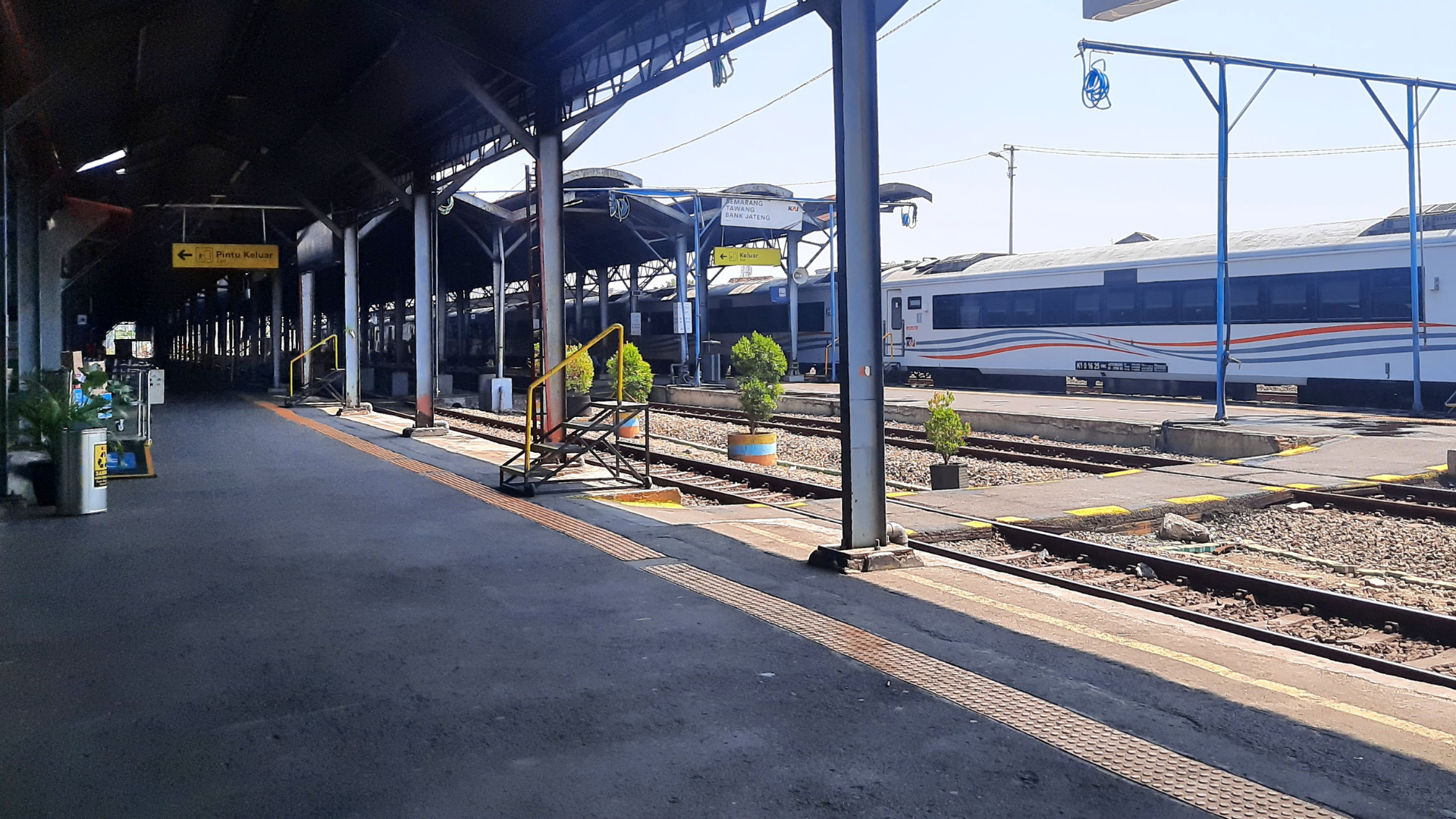
MARTA Officer Charged in Deadly North Avenue Station Pedestrian Accident
A MARTA police officer has been charged following a fatal North Avenue Station pedestrian accident in Atlanta, according to CBS Atlanta. Reports indicate that the incident occurred near the busy transit area, where a pedestrian was struck and later died from their injuries. Authorities continue to investigate the circumstances surrounding the collision, including the actions leading up to the crash and any contributing factors. Incidents involving pedestrians in high-traffic transit areas often raise serious concerns about safety, visibility, and accountability.
After a tragic event like a North Avenue Station pedestrian accident, families are often left facing emotional loss, financial strain, and uncertainty about their legal options. At Karell Law, we understand how overwhelming this time can feel, especially when unexpected expenses and unanswered questions begin to add up. We work closely with our clients to help them understand their rights while guiding them through each step of the legal process. Call us today at (678) 999-3331 to discuss your situation and learn how we can help you move forward with clarity and support.

Why Legal Support Matters After a North Avenue Station Pedestrian Accident
At Karell Law, we understand that a North Avenue Station pedestrian accident can create serious challenges for victims and their families, especially when the incident involves complex circumstances or ongoing investigations. We work closely with our clients to investigate every detail while identifying all potential sources of liability that may have contributed to the crash. Our team focuses on gathering evidence, reviewing reports, and building strong claims designed to support accountability and recovery. By working with us, you gain a legal team committed to protecting your rights and helping you move forward with confidence.
Our team knows that financial and emotional stress can quickly follow a serious pedestrian accident, particularly when medical expenses, lost income, and long-term recovery needs continue to grow. Therefore, we handle communication with insurance companies and other involved parties while guiding our clients through each stage of the legal process with clarity and consistency. We take the time to explain available options so our clients can make informed decisions that support both immediate needs and long-term stability. By focusing on securing compensation for all damages, we help reduce stress while building strong and effective claims that reflect the full impact of the accident.

What to Do After a North Avenue Station Pedestrian Accident
Taking the right steps after a North Avenue Station pedestrian accident can make a meaningful difference in both recovery and the ability to pursue compensation. The moments following an accident are often overwhelming, which can make it difficult to know what actions to take. However, early decisions can affect medical outcomes, evidence preservation, and the strength of a potential claim. Understanding what to do helps protect your rights and ensures that important details are not lost.
Acting promptly also helps create a clear record of the incident and its impact. From seeking medical care to documenting the scene, each step plays a role in building a strong foundation for a claim. These actions help ensure that injuries are properly treated and that evidence remains available. A structured approach supports both recovery and legal success.
Seek Immediate Medical Attention
Seeking medical attention immediately after a pedestrian accident is essential, even if injuries do not appear severe at first. Some conditions may not show symptoms right away but can worsen over time without proper care. A prompt medical evaluation helps identify hidden injuries and ensures that treatment begins as soon as possible. This step also creates important documentation that may support a legal claim.
Medical records provide a clear connection between the accident and the injuries sustained. Delays in treatment may lead to complications or make it more difficult to prove the extent of harm. Consistent care helps ensure both recovery and accurate documentation. This process plays a key role in supporting a claim.
Follow Through With Recommended Treatment
Following all recommended treatment plans is important for both healing and maintaining accurate medical records. Doctors may suggest follow-up visits, therapy, or additional testing based on the injury. Completing these steps helps demonstrate the seriousness of the condition and the need for ongoing care. This consistency strengthens both recovery and legal claims.
Gaps in treatment may raise questions during the claims process. Insurance companies may argue that injuries are less severe if care is not consistent. Staying committed to treatment helps avoid these issues. It ensures that records reflect the full impact of the accident.
Keep Detailed Medical Documentation
Keeping organized medical records helps track the progression of injuries and the care received. These records may include bills, prescriptions, and notes from healthcare providers. Detailed documentation provides clear evidence of the financial and physical impact of the accident. This information supports compensation claims.
Maintaining copies of all records ensures that nothing is overlooked during the legal process. Accurate documentation strengthens negotiations and helps present a clear case. This step plays an important role in achieving fair outcomes. It supports both recovery and accountability.
Document the Scene and Gather Evidence
Documenting the scene of a North Avenue Station pedestrian accident helps preserve critical details that may not be available later. Photographs, videos, and written notes can capture important information about the location, vehicle involvement, and surrounding conditions. This evidence provides valuable context for understanding how the accident occurred. Acting quickly helps ensure accuracy.
Gathering evidence early also helps prevent important details from being lost due to environmental changes or cleanup efforts. Traffic patterns, lighting conditions, and physical evidence may change shortly after the incident. Preserving this information strengthens the overall case. It supports a clearer narrative of events.
Take Photos and Videos
Taking photos and videos at the scene helps capture details such as vehicle damage, road conditions, and visible injuries. These visuals provide a clear representation of the accident and its impact. Images can also document elements such as crosswalk markings, signage, and lighting conditions. This information supports liability claims.
Visual evidence often provides context that written reports cannot fully capture. It helps illustrate how the accident occurred and the conditions at the time. Capturing these details early improves reliability. This step strengthens the case.
Collect Witness Information
Collecting contact information from witnesses helps ensure that their accounts can be obtained later if needed. Witnesses may provide valuable perspectives on how the accident occurred. Their statements can support other evidence and help clarify disputed details. Gathering this information early improves accuracy.
Witness testimony often plays a key role in determining liability. Having access to reliable accounts strengthens the case. This step helps create a more complete understanding of the incident. It supports stronger claims.
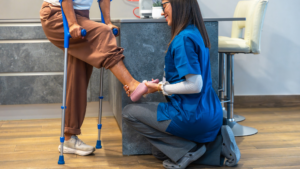
Injuries Commonly Seen in a North Avenue Station Pedestrian Accident
A North Avenue Station pedestrian accident can result in serious injuries due to the lack of protection pedestrians have compared to vehicle occupants. The force of impact often leads to significant physical harm that may require immediate and long-term medical care. These injuries can affect mobility, cognitive function, and overall quality of life. Understanding common injuries helps highlight the importance of proper treatment and legal support.
The severity of injuries often depends on factors such as vehicle speed and point of impact. Even lower-speed collisions can result in lasting harm. Recognizing these injuries helps victims seek appropriate care and document their condition accurately. This understanding supports both recovery and legal claims.
Head and Brain Injuries
Head and brain injuries are among the most serious outcomes of a pedestrian accident. These injuries can occur when a person strikes the vehicle or the ground during impact. The effects may range from mild concussions to severe traumatic brain injuries that require long-term care. Prompt medical attention is essential for proper diagnosis and treatment.
Brain injuries can affect memory, coordination, and cognitive function. Symptoms may not appear immediately, which makes early evaluation important. Proper documentation helps ensure these injuries are included in a claim. This step supports recovery and compensation.
Traumatic Brain Injuries
Traumatic brain injuries can have lasting effects on a person’s ability to function in daily life. These injuries may require extensive medical care and rehabilitation. The impact can extend to both physical and cognitive abilities. Recognizing these effects is essential for recovery.
Medical evaluation and ongoing care help manage these injuries effectively. Documentation supports claims for compensation related to treatment and long-term needs. This process ensures that the full impact is considered. It strengthens the case.
Concussions and Head Trauma
Concussions are common in pedestrian accidents due to sudden impact and movement. These injuries can cause headaches, dizziness, and difficulty concentrating. Although some symptoms may seem mild, they can still affect daily life. Monitoring these symptoms is important.
Proper diagnosis and treatment help prevent complications. Documentation of symptoms supports claims and recovery efforts. This step ensures that injuries are taken seriously. It contributes to a stronger case.
Orthopedic and Soft Tissue Injuries
Orthopedic and soft tissue injuries often occur when the body absorbs the force of impact during a pedestrian accident. These injuries may include fractures, sprains, and muscle damage. Recovery may require medical treatment, therapy, and time away from normal activities. Understanding these injuries helps guide treatment.
These injuries can also affect long-term mobility and physical function. Proper care helps improve recovery outcomes. Documentation ensures that these impacts are included in a claim. This step supports compensation.
Fractures and Broken Bones
Fractures are common in pedestrian accidents due to direct impact with a vehicle or the ground. These injuries may require surgery, immobilization, or extended recovery periods. The severity can vary depending on the location and type of fracture. Treatment is often necessary.
Documenting fractures helps support claims for medical expenses and recovery time. These injuries can have lasting effects. Including them in a claim ensures accurate compensation. This step is important.
Soft Tissue Damage
Soft tissue injuries involve damage to muscles, ligaments, and tendons. These injuries can cause pain, swelling, and limited movement. Recovery may require therapy and ongoing care. These conditions can affect daily activities.
Proper documentation helps demonstrate the impact of these injuries. This information supports compensation claims. It ensures that all aspects of recovery are considered. This strengthens the case.

Who May Be Liable in a North Avenue Station Pedestrian Accident
Determining liability in a North Avenue Station pedestrian accident requires a careful review of all factors that contributed to the incident. Multiple parties may share responsibility depending on the circumstances, including drivers, property owners, or other entities. Identifying all liable parties is essential for pursuing full compensation. A detailed investigation helps uncover these factors.
Understanding liability helps victims and families make informed decisions about their legal options. By analyzing evidence and evaluating each party’s role, a clearer picture of responsibility emerges. This process ensures accountability. It supports stronger claims.
Drivers and Negligence
Drivers are often a primary source of liability when their actions lead to a pedestrian accident. Negligent behavior such as speeding, distraction, or failure to yield can increase the risk of collisions. Drivers are required to remain attentive and follow traffic laws at all times. Failure to do so may result in liability.
Evaluating driver behavior helps determine whether negligence occurred. Evidence such as witness statements and traffic footage may support these findings. This step is essential for building a strong case. It establishes fault.
Distracted Driving
Distracted driving can prevent a driver from noticing pedestrians in time to avoid a collision. Activities such as using a phone or adjusting controls may reduce awareness. Even brief distractions can lead to serious accidents. Identifying this behavior supports claims.
Evidence of distraction strengthens liability arguments. This may include phone records or witness statements. This information helps establish fault. It improves outcomes.
Failure to Yield
Failure to yield is a common factor in pedestrian accidents, particularly in crosswalks or intersections. Drivers may misjudge distance or fail to notice pedestrians entirely. This behavior increases the risk of collisions. It often indicates negligence.
Establishing failure to yield helps support claims. This evidence demonstrates unsafe conduct. It strengthens liability arguments. This step is important.
Property Owners and Other Parties
In some cases, additional parties such as property owners or transit authorities may share liability. Unsafe conditions such as poor lighting or unclear signage can contribute to accidents. When these hazards are not addressed, responsibility may extend beyond the driver. Evaluating these factors helps identify all liable parties.
Understanding the role of other parties ensures that all sources of compensation are considered. This comprehensive approach strengthens claims. It supports accountability. It improves outcomes.
Unsafe Conditions and Poor Lighting
Poor lighting or unsafe conditions can reduce visibility for both drivers and pedestrians. These hazards increase the risk of accidents in busy areas. Failure to address these issues may indicate negligence. Identifying these conditions supports claims.
Documenting environmental factors helps strengthen liability arguments. This information provides additional context. It supports the case. It is important.
Transit and Infrastructure Factors
Transit areas may involve additional risks due to high traffic and complex layouts. Factors such as signage, traffic flow, and pedestrian access points can influence safety. Evaluating these elements helps determine whether additional parties share responsibility. This analysis strengthens claims.
Understanding infrastructure factors helps create a more complete case. It ensures that all contributing elements are considered. This approach supports stronger outcomes.
Evidence That Can Strengthen a North Avenue Station Pedestrian Accident Case
Strong evidence plays a critical role in building a successful North Avenue Station pedestrian accident case by clearly showing how the incident occurred and who may be responsible. Without detailed and well-preserved evidence, it can become significantly more difficult to prove liability or demonstrate the full extent of damages. Evidence helps create a consistent and supported narrative that can be used during both insurance negotiations and potential legal proceedings. Therefore, gathering and preserving information as early as possible remains one of the most important steps in strengthening a claim.
A comprehensive approach to evidence collection ensures that no important details are overlooked while building a case. By organizing documentation carefully and reviewing all available information, a clearer picture of the accident can be established. This process helps support claims for compensation and improves the likelihood of a favorable outcome. Thorough evidence collection also helps address disputes that may arise during the claims process.
Physical and Scene Evidence
Physical and scene evidence provides essential insight into how a North Avenue Station pedestrian accident occurred and what conditions were present at the time. This type of evidence may include vehicle damage, road markings, debris, and the overall layout of the area. When these details are documented properly, they help create a more accurate understanding of the incident. Collecting this evidence early ensures that it remains reliable and available.
Scene evidence often captures factors that may not be included in initial reports, such as lighting conditions or visibility issues. These details can play a significant role in determining liability and understanding how the accident unfolded. By preserving this information, victims can strengthen their claims and support their version of events. This step helps create a solid foundation for the case.
Photographs and Video Documentation
Photographs and videos taken at the scene can provide a clear visual representation of the accident and its impact. These images may capture vehicle positions, damage, crosswalk markings, traffic signals, and surrounding conditions. Visual evidence helps illustrate details that may be difficult to describe through written reports alone. This information can be critical when presenting a claim.
Capturing these visuals as soon as possible helps ensure accuracy, as conditions may change quickly after an accident. Traffic patterns, lighting, and cleanup efforts can alter the scene over time. Early documentation helps preserve these important details. This step strengthens the overall case.
Roadway and Environmental Conditions
Roadway and environmental conditions can significantly influence how a pedestrian accident occurs. Factors such as lighting, traffic flow, signage, and road design may all contribute to the incident. Documenting these elements helps determine whether external conditions played a role. This analysis supports a more complete claim.
Understanding environmental conditions also helps explain how visibility and safety were affected at the time of the accident. For example, poor lighting or obstructed views may have contributed to the collision. Identifying these factors strengthens liability arguments. This step adds important context to the case.
Digital and Electronic Evidence
Digital and electronic evidence provides objective data that can help clarify how a North Avenue Station pedestrian accident occurred. This may include surveillance footage, traffic camera recordings, and data from nearby devices. These sources often capture details that are not available through other forms of evidence. Accessing this information early helps preserve its reliability.
Electronic evidence can provide a timeline of events leading up to the accident. This information helps confirm key details such as vehicle movement, speed, and driver actions. By combining digital data with other evidence, a more accurate picture of the incident can be created. This approach strengthens claims.
Surveillance and Transit Camera Footage
Surveillance footage from nearby businesses, traffic cameras, or transit systems can provide valuable insight into how the accident occurred. These recordings may capture the moment of impact or events leading up to it. Reviewing this footage early increases the chances of obtaining clear and useful evidence. This information can be critical in determining fault.
Video evidence often provides an objective view of the incident, which can help resolve disputes between parties. It can confirm details such as vehicle behavior or pedestrian movement. This clarity strengthens liability claims. It supports a stronger case.
Mobile and Digital Data
Mobile devices and other digital sources may also provide relevant information about the accident. This can include location data, timestamps, or communication records that help establish a timeline. In some cases, digital evidence may indicate whether distraction played a role. These details help clarify the circumstances of the crash.
Accessing digital data early helps ensure that it is preserved and available for analysis. This information can support other forms of evidence and strengthen the overall claim. It adds another layer of detail to the case. This step is important.
Witness and Expert Testimony
Witness and expert testimony provides additional support by offering perspectives and analysis that complement physical and digital evidence. Witnesses can describe what they observed, while experts can explain technical aspects of the accident. Combining these perspectives creates a more complete and persuasive case. This approach helps strengthen claims.
Gathering testimony early helps ensure accuracy and consistency throughout the process. Witnesses may forget details over time, which can affect their reliability. Expert analysis also benefits from early access to evidence. This coordinated effort improves case outcomes.

How Atlanta Pedestrian Accident Lawyers Support Victims
Atlanta pedestrian accident lawyers play an important role in helping injured individuals and families navigate the legal process after a serious incident. Many victims face challenges related to medical treatment, financial recovery, and understanding their legal rights. Without proper guidance, it can be difficult to manage insurance claims or determine how to pursue compensation effectively. Working with an attorney provides structure, clarity, and support throughout each stage of the case.
Attorneys focus on protecting the interests of victims while building strong claims supported by evidence and careful analysis. They handle complex legal tasks and communication so individuals can focus on recovery and healing. This approach helps reduce stress and ensures that no important steps are overlooked. By providing consistent guidance, attorneys help victims move forward with greater confidence.
Conducting Detailed Case Investigations
A thorough investigation is one of the first steps pedestrian accident lawyers take when handling a case. This process involves gathering evidence, reviewing reports, and analyzing the circumstances surrounding the accident. Attorneys work to determine how the incident occurred and who may be responsible. This foundation is essential for building a strong claim.
Investigations also help uncover contributing factors that may not be immediately clear. These may include driver behavior, roadway conditions, or visibility issues. By examining all available information, attorneys develop a more complete understanding of the case. This detailed approach strengthens the overall claim.
Reviewing Police Reports and Evidence
Police reports often provide important details about the accident, including initial findings and statements from those involved. Attorneys carefully review these reports to identify key facts and any inconsistencies. Additional evidence such as photographs, surveillance footage, and medical records may also be analyzed. This information helps create a clearer picture of the incident.
Reviewing evidence thoroughly ensures that no critical detail is overlooked during the legal process. Each piece of information contributes to building a stronger case. Organized documentation supports more effective negotiations and legal arguments. This step plays a key role in establishing liability.
Examining Roadway and Environmental Factors
Roadway and environmental conditions can significantly influence how a pedestrian accident occurs. Factors such as lighting, traffic flow, and crosswalk visibility may contribute to the incident. Attorneys evaluate these conditions to determine whether they played a role in the crash. This analysis helps identify additional sources of liability.
Understanding these factors also helps explain how the accident unfolded. Poor lighting or unclear signage may reduce visibility and increase risk. These details support claims and strengthen liability arguments. Careful evaluation ensures a more accurate case.
Managing Insurance Claims and Communication
Insurance companies often become involved shortly after a pedestrian accident, which can create challenges for victims. Adjusters may request statements, documentation, or other information that could affect a claim. Attorneys manage these communications to ensure that responses are accurate and aligned with the victim’s best interests. This approach helps prevent common issues.
Handling insurance interactions also helps reduce stress and confusion during the claims process. Attorneys understand how insurers evaluate claims and use this knowledge to advocate effectively. By managing communication, they help ensure that victims are treated fairly. This support improves the overall outcome of the case.
Responding to Insurance Requests
Insurance companies often request detailed information about the accident and resulting injuries. Providing incomplete or inaccurate information can negatively impact a claim. Attorneys review and respond to these requests carefully to protect the victim’s position. This guidance helps ensure consistency and accuracy.
By managing these requests, attorneys help reduce the burden on victims. This allows individuals to focus on recovery rather than navigating complex insurance procedures. Clear communication supports stronger claims. This step plays an important role in the process.
Negotiating Fair Settlements
Negotiating a fair settlement requires a clear understanding of the value of a claim. Attorneys evaluate damages such as medical expenses, lost income, and other losses to determine appropriate compensation. They use this information to negotiate on behalf of the victim. This process helps ensure that compensation reflects the full impact of the accident.
Insurance companies may initially offer lower settlements to resolve claims quickly. Attorneys review these offers and advise clients on whether they are fair. By negotiating effectively, they help improve the final outcome. This support is essential for achieving fair compensation.
Building Strong Compensation Claims
Building a strong compensation claim involves documenting all losses related to a pedestrian accident. Attorneys work with clients to gather medical records, financial documentation, and other evidence that supports the claim. This process ensures that all damages are properly evaluated. A comprehensive claim improves the likelihood of fair compensation.
Attorneys also consider long-term impacts when building a claim. Injuries may affect future earning capacity or require ongoing treatment. Including these factors ensures that compensation reflects both current and future needs. This approach provides a more complete recovery.
Documenting Medical and Financial Losses
Medical and financial losses must be clearly documented to support a claim. This includes expenses such as hospital bills, therapy costs, and lost wages. Accurate documentation helps demonstrate the financial impact of the accident. This information plays a key role in negotiations.
Attorneys help organize and present these records effectively to strengthen the claim. This ensures that all losses are accounted for during the legal process. Maintaining detailed documentation supports better outcomes. This step is essential.
Evaluating Long-Term Impacts
Evaluating long-term impacts is important when determining the full value of a claim. Some injuries may require ongoing care or affect future employment opportunities. Attorneys work with experts when necessary to assess these factors. This analysis helps ensure that compensation reflects long-term needs.
Considering future impacts helps prevent financial hardship later on. A well-prepared claim accounts for both immediate and ongoing challenges. This approach supports long-term stability for accident victims.
Contact an Experienced Atlanta Metro Pedestrian Accident Lawyer Today
If you or your family has been affected by a North Avenue Station pedestrian accident, having experienced legal guidance can make a meaningful difference in your recovery and next steps. At Karell Law, we take the time to understand your situation while developing a strategy tailored to your needs and long-term goals. We handle every aspect of the legal process so you can focus on healing and supporting your family during this difficult time. Our team remains committed to providing clear communication and dedicated advocacy throughout your case.
We are ready to help you pursue compensation for medical expenses, lost income, and other damages related to your accident while ensuring that no detail is overlooked. By carefully evaluating every aspect of your case and identifying all potential sources of liability, we build claims designed to support long-term recovery and financial stability. Call us today at (678) 999-3331 or reach out online for a free consultation and learn how Karell Law can help you take the next step forward with confidence.

 (678) 999-3331