
 (678) 999-3331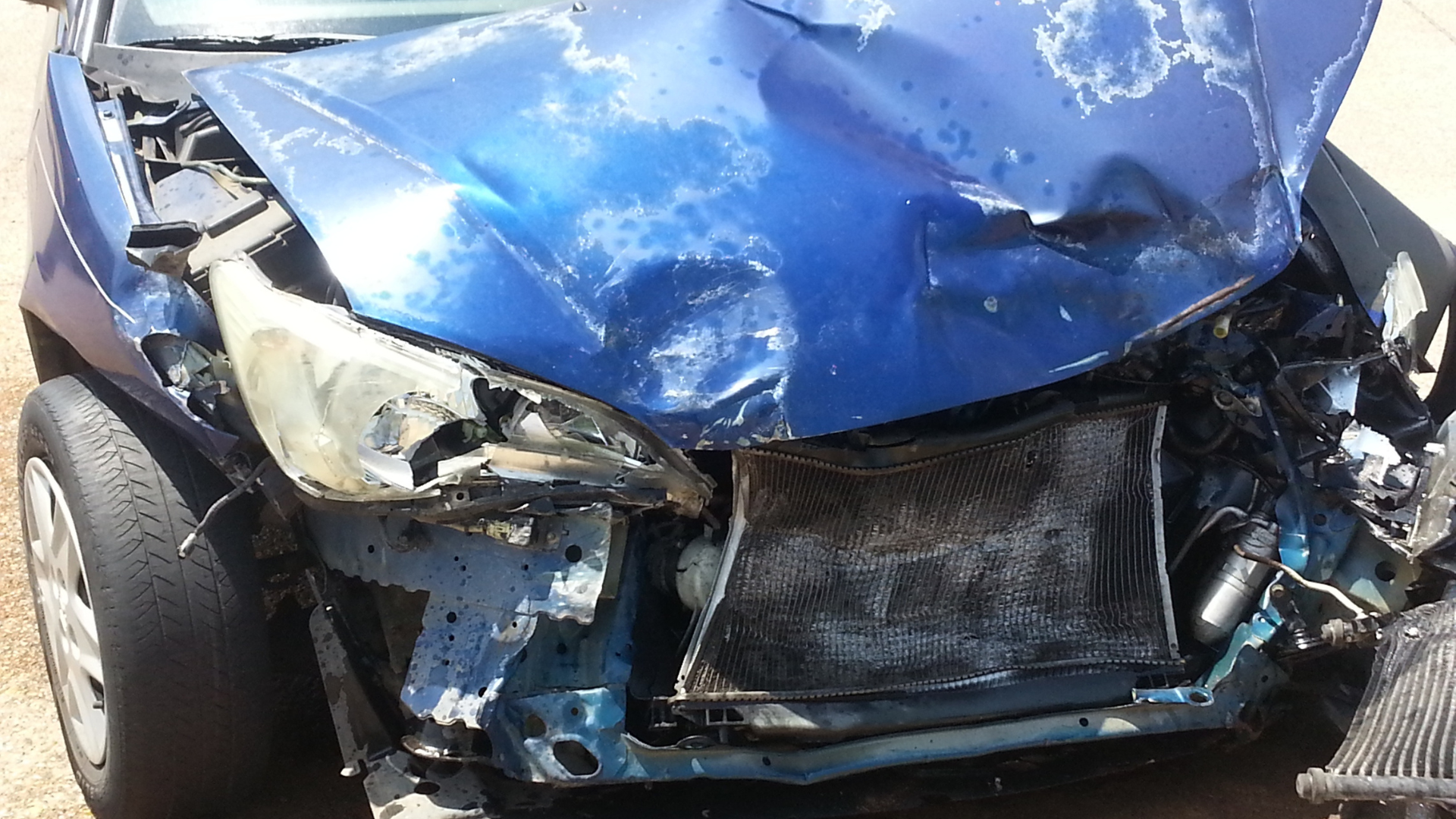
West Atlanta Car Accident Leaves Driver Dead, Multiple Injured
A deadly crash in DeKalb County in West Atlanta at the intersection of Covington Highway and Glenwood Road left one driver dead and two others injured, according to WSB-TV. The collision occurred at the intersection of Covington Highway and Glenwood Road when a vehicle pulling out of a driveway struck an SUV, causing it to flip and crash into another car. The SUV’s driver died at the scene, and two other people were taken to a nearby hospital with non-life-threatening injuries. Authorities continue to investigate the cause of the crash as they work to piece together exactly what happened.
Crashes in the Atlanta metro like this raise important questions about right-of-way, driver attentiveness, and whether the collision could have been prevented with greater caution. When vehicles enter roadways without adequate clearance or awareness of oncoming traffic, the risk of severe injury or death increases dramatically, leaving families and victims facing sudden loss, trauma, and uncertainty. At Karell Law, we understand how devastating serious and fatal crashes can be for those involved and their loved ones, and we recognize the long-term physical, emotional, and financial toll they often create. We’re committed to helping crash victims and families seek answers, accountability, and justice after preventable roadway tragedies. Call us at (678) 999-3331 for a free review of your case today.
How Legal Advocacy Helps Those Affected by a West Atlanta Car Accident
After a West Atlanta car accident, victims are left with mounting medical bills and increased uncertainty about their future, which is why our team at Karell Law immediately jumps into action to provide support. We work to help clients understand their legal rights, evaluate the circumstances of the crash, and take steps to protect them from insurance tactics that may undervalue their claims. By handling investigations, documentation, and communication on our clients’ behalf, we help reduce stress during an already overwhelming time and create a clear path forward.
We also recognize that no two car accidents are the same, and each client’s situation requires a thoughtful, personalized approach. At Karell Law, we take the time to listen to our clients’ concerns, answer questions, and develop legal strategies tailored to their unique needs and goals. Through consistent communication and dedicated advocacy, we strive to help injured individuals and families regain stability while pursuing accountability for preventable crashes in West Atlanta. Our focus remains on providing steady guidance and reliable support at every stage of the recovery and legal process.
What to Do After a West Atlanta Car Accident
A West Atlanta car accident can leave drivers and passengers shaken, injured, and unsure of what steps to take next, particularly when stress and confusion set in immediately after the crash. The actions taken in the minutes, hours, and days following a collision can significantly affect physical recovery, insurance claims, and potential legal options. Knowing what to do helps protect personal safety, preserve critical evidence, and reduce complications that often arise later in the process. Taking a calm, informed, and organized approach can make an otherwise overwhelming situation feel more manageable and controlled.
Prioritize Safety and Medical Attention
Safety should always come first after a car accident, especially when vehicles are disabled or traffic continues moving around the crash scene. Even collisions that appear minor can involve hidden injuries, delayed symptoms, or dangerous roadway conditions that place everyone at further risk. Addressing medical needs as early as possible protects long-term health while also creating essential documentation. Immediate attention helps prevent injuries from worsening and supports both recovery and future claims.
Move to a Safe Location if Possible
If vehicles are operable and it is safe to do so, drivers should move out of active traffic lanes to reduce the risk of secondary collisions. Remaining stopped in a busy roadway can place occupants and other motorists in danger, especially in high-traffic West Atlanta areas. Activating hazard lights alerts approaching drivers to slow down and proceed with caution. Safety considerations apply not only to drivers but also to passengers and anyone assisting at the scene.
Seek Medical Evaluation Promptly
Medical evaluation should be sought as soon as possible, even when injuries do not feel serious at first. Adrenaline and shock can mask pain, allowing symptoms to appear hours or days later. Prompt medical care creates records that clearly connect injuries to the crash. Early diagnosis and treatment often improve recovery outcomes and reduce complications.
Contact Law Enforcement and File a Report
Contacting law enforcement after a West Atlanta car accident helps ensure the incident is officially documented and properly investigated. Police reports often become key pieces of evidence in insurance and legal claims. Officers can also assist with traffic control, witness identification, and initial fact gathering. Filing a report protects all parties by creating an objective record of what occurred.
Provide Accurate Information to Officers
Drivers should provide clear, factual information to responding officers without guessing or speculating about fault. Sharing what was directly observed helps officers document the scene accurately. Assumptions or emotional statements can create confusion later. Precise, calm communication supports reliable reporting.
Obtain a Copy of the Police Report
Requesting the police report number at the scene makes it easier to obtain a copy later. Police reports often include diagrams, witness details, and preliminary findings. Reviewing the report can help identify important information or potential errors. This document often becomes foundational in resolving insurance and legal matters.
Gather Evidence at the Scene
When physically able, gathering evidence at the crash scene can greatly strengthen future claims. Roadway conditions, vehicle positions, and damage patterns may change quickly once traffic resumes. Preserving details early supports accuracy and accountability. Physical evidence often provides clarity when memories fade.
Take Photos and Videos
Photographs of vehicle damage, roadway markings, traffic signs, and surrounding conditions provide important visual context. Capturing skid marks, debris, and intersection layouts can help reconstruct the crash. Videos may also show lighting conditions or traffic flow. Visual evidence supports later investigation and review.
Exchange Information With Other Drivers
Drivers should exchange names, contact details, insurance information, and vehicle descriptions with all involved parties. License plate numbers and insurance policy details are especially important. This information is necessary for insurance claims and follow-up. Accurate exchanges help prevent confusion and delays.
Identify and Preserve Witness Information
Witnesses often provide neutral perspectives on how a crash occurred. Their independent observations may support liability findings when accounts differ. Identifying witnesses early improves accuracy and reliability. Preserving their information ensures they can be contacted later.
Speak With Witnesses at the Scene
If possible, drivers should politely ask witnesses what they observed during the crash. Names, phone numbers, and email addresses should be recorded. Witnesses may leave quickly once traffic clears. Early engagement increases the likelihood of cooperation.
Share Witness Details With Insurers or Authorities
Witness information should be provided to law enforcement and insurance companies as part of the claim process. This ensures statements are included in official investigations. Independent accounts can clarify disputed facts. Cooperation strengthens the overall record.
Notify Insurance Companies Carefully
Notifying insurance companies is a required step after a car accident, but communication should be handled with care. Prompt reporting helps preserve coverage while preventing policy violations. However, accuracy and restraint are important. Thoughtful communication protects long-term interests.
Report the Accident Promptly
Most insurance policies require timely notification of a crash. Reporting basic facts soon after the accident helps avoid coverage disputes. Supporting documentation can be submitted later. Prompt reporting keeps the claim process moving smoothly.
Avoid Detailed Statements Without Preparation
Recorded or detailed statements given too early may be misunderstood or taken out of context. Drivers should be cautious when discussing specifics before all facts are clear. Sticking to verified information helps prevent misinterpretation. Careful communication matters.
Avoid Common Mistakes After a Car Accident
Certain actions taken after a crash can unintentionally weaken insurance or legal claims. Awareness of common mistakes helps protect future recovery. Careful decision-making reduces risk. Patience and restraint are essential.
Do Not Admit Fault at the Scene
Fault is rarely clear immediately after a collision. Statements made under stress or confusion can be used later to assign blame unfairly. Responsibility should be determined through investigation. Neutral communication is the safest approach.
Avoid Accepting Early Settlement Offers
Early settlement offers may not account for ongoing medical treatment or long-term effects. Injuries and expenses often evolve over time. Accepting too quickly can permanently limit recovery. Careful review is important.
Document Injuries and Ongoing Effects
Injuries often change during the recovery process, sometimes becoming more severe or persistent. Keeping detailed records helps capture the full impact of the accident. Thorough documentation supports both insurance and legal claims. Consistency improves credibility.
Keep Medical and Expense Records
Medical bills, prescriptions, therapy invoices, and related expenses should be saved and organized. These records demonstrate the financial impact of the crash. Organized documentation simplifies future review. Accurate records support compensation.
Track Symptoms and Recovery Progress
Keeping a journal of pain levels, limitations, and daily challenges can be helpful. Notes taken over time show how injuries affect daily life. This information supports non-economic damages. Personal records add important detail.
Take Timely Steps to Protect Legal Rights
Legal rights after a West Atlanta car accident depend on meeting deadlines and preserving evidence. Acting promptly protects available options. Delays can limit recovery. Awareness and timing are critical.
Understand Applicable Time Limits
Georgia law imposes specific deadlines for personal injury and related claims. These time limits begin running soon after the crash. Missing deadlines can eliminate recovery options entirely. Early awareness protects rights.
Preserve Evidence Through Early Action
Surveillance footage may be overwritten and witness memories may fade quickly. Acting early helps secure this information. Preserved evidence strengthens claims. Early action supports better outcomes.
Compensation Available After a West Atlanta Car Accident
A West Atlanta car accident can create sudden financial pressure and long-term uncertainty for injured victims and their families. Compensation is intended to address both the immediate costs of the crash and the lasting impact injuries may have on daily life and future stability. Understanding the types of compensation that may be available helps victims make informed decisions during recovery. These claims aim to reflect the full scope of harm caused by another driver’s negligence.
Economic Damages After a West Atlanta Car Accident
Economic damages cover the measurable financial losses that result directly from a car accident. These losses often begin accumulating immediately and may continue well into the future. Compensation for economic damages helps reduce the financial burden caused by injuries and recovery. Proper documentation is essential to fully account for these costs.
Medical Expenses and Ongoing Treatment
Medical expenses often include emergency care, hospital stays, surgeries, and follow-up appointments. Many victims also require physical therapy, rehabilitation, or specialist care over time. These ongoing medical needs can become costly without warning. Compensation helps ensure continued access to necessary treatment without added financial strain.
Lost Wages and Reduced Earning Capacity
Injuries from a West Atlanta car accident may prevent victims from returning to work for weeks or longer. Missed paychecks can quickly disrupt household finances and create stress. In more serious cases, injuries may limit future earning ability. Compensation may address both current income loss and long-term reductions in earning capacity.
Non-Economic Damages and Personal Losses
Non-economic damages address the personal and emotional impact of a car accident that cannot be measured through receipts alone. These damages recognize how injuries affect quality of life, relationships, and overall well-being. Although less tangible, they are an important part of recovery. Compensation acknowledges these deeper losses.
Pain and Suffering
Physical pain and discomfort often accompany serious accident injuries and may persist long after initial treatment. Chronic pain can affect sleep, mobility, and daily activities. Compensation considers the severity and duration of this suffering. This recognition reflects the ongoing challenges victims may face.
Emotional Distress and Loss of Enjoyment of Life
Car accidents can lead to anxiety, depression, or trauma that interferes with daily routines. Victims may struggle to participate in activities they once enjoyed. Emotional distress can also strain personal relationships. Compensation helps acknowledge these life-altering effects.
Property Damage Compensation
Property damage is often one of the most immediate concerns after a West Atlanta car accident. Vehicles may be severely damaged or completely totaled. Personal items inside the vehicle may also be affected. Compensation helps address these tangible losses.
Vehicle Repair or Replacement Costs
Repairing or replacing a damaged vehicle can be expensive and disruptive. Compensation may cover repair bills or the fair market value of a totaled vehicle. Reliable transportation is often essential for work, medical appointments, and daily responsibilities. Recovery helps victims regain mobility and independence.
Damage to Personal Belongings
Items such as phones, laptops, or other valuables may be damaged during the crash. Replacing these items can add unexpected costs. Compensation may include reimbursement for damaged personal property. Documentation supports recovery for these losses.
Compensation in Fatal West Atlanta Car Accident Cases
When a West Atlanta car accident results in death, compensation focuses on supporting surviving family members. These claims address both financial losses and profound emotional harm. Families often face sudden expenses and long-term changes. Compensation helps provide stability during an incredibly difficult time.
Funeral and Burial Expenses
Funeral and burial costs can be substantial and arise with little warning. These expenses often add financial stress during a period of grief. Compensation may help cover reasonable funeral and burial costs. This support allows families to focus on mourning rather than finances.
Loss of Financial Support and Companionship
Families may lose a primary source of income after a fatal crash. The loss of companionship, guidance, and care can deeply affect loved ones. Compensation recognizes both economic and emotional losses. These damages reflect the long-term impact on surviving family members.
Factors That Influence Compensation Amounts
Compensation amounts vary based on the specific circumstances of each case. Injury severity, liability, and available insurance coverage all play a role. The strength of evidence also affects outcomes. Understanding these factors helps set realistic expectations.
The Role of Evidence and Documentation
Medical records, employment documents, and expert evaluations support compensation claims. Clear documentation helps establish the full extent of losses. Strong evidence reduces disputes with insurance companies. Preparation strengthens the claim.
Shared Fault and Comparative Negligence
Georgia’s comparative negligence rules may affect compensation if fault is disputed. Recovery may be reduced if a victim is found partially responsible. Understanding how fault is assessed is important. This factor directly impacts potential compensation.
How Compensation Supports Long-Term Recovery
Compensation is not only about addressing past losses but also about supporting future needs. Financial stability helps victims focus on healing and rebuilding. Long-term planning becomes more manageable. Compensation plays a key role in recovery.
Supporting Rehabilitation and Future Care
Serious injuries may require long-term rehabilitation, adaptive equipment, or ongoing medical care. Compensation helps cover these future needs. Planning for continued treatment improves outcomes. Financial support allows access to appropriate resources.
Challenges Victims Face After a West Atlanta Car Accident
A West Atlanta car accident can create a wide range of challenges that extend far beyond the initial crash itself. Victims often find themselves navigating physical recovery, emotional strain, and financial pressure at the same time. These challenges can feel overwhelming, especially when combined with insurance issues and uncertainty about the future. Understanding these obstacles helps victims prepare for what lies ahead and take steps to protect themselves.
Physical Injuries and Ongoing Medical Needs
Physical injuries are often the most immediate challenge after a car accident. Even crashes that seem minor can result in serious or long-lasting harm. Recovery may require ongoing care, frequent appointments, and lifestyle adjustments. These demands can disrupt daily routines and independence.
Managing Pain and Limited Mobility
Injuries such as fractures, soft tissue damage, or spinal trauma can cause persistent pain. Limited mobility may affect work, household tasks, and personal activities. Pain management often requires therapy or medication over time. These limitations can significantly alter daily life.
Navigating Long-Term Treatment and Rehabilitation
Some injuries require months or years of treatment and rehabilitation. Physical therapy, follow-up procedures, and specialist visits can become routine. Long-term care often requires patience and consistency. Managing this process can be exhausting for victims and families.
Emotional and Psychological Impact
The emotional effects of a West Atlanta car accident are often underestimated. Trauma can affect mental health long after physical injuries heal. Emotional recovery is just as important as physical healing. These challenges can influence relationships and overall well-being.
Coping With Anxiety, Stress, and Trauma
Many victims experience anxiety when driving or traveling after a crash. Stress related to medical recovery and finances can build quickly. Some individuals may experience symptoms of post-traumatic stress. Emotional support is often necessary for recovery.
Dealing With Changes in Daily Life and Independence
Injuries may prevent victims from participating in activities they once enjoyed. Loss of independence can be frustrating and discouraging. Relying on others for help may feel uncomfortable. Adjusting to these changes takes time and resilience.
Financial Strain and Economic Pressure
Financial challenges often arise quickly after a car accident. Medical bills and missed work can strain household finances. These pressures add stress during recovery. Financial uncertainty can affect long-term planning.
Managing Medical Bills and Treatment Costs
Medical expenses can accumulate rapidly, even with insurance coverage. Copays, prescriptions, and therapy costs add up over time. Unexpected bills can create anxiety. Keeping up with expenses becomes a major concern.

How Atlanta Car Accident Attorneys Handle Crash Claims
Atlanta car accident attorneys guide injured victims through the legal process while protecting their rights and interests after a serious crash. From the initial investigation to final resolution, attorneys manage complex legal and insurance issues so clients can focus on recovery. Handling a crash claim requires attention to detail, strategy, and consistent communication. Each stage plays an important role in achieving fair outcomes.
Evaluating the Details of the Car Accident
The first step in handling a crash claim involves a careful review of how the accident occurred. Attorneys examine the facts to determine whether negligence played a role. This evaluation helps identify viable legal options. Early analysis sets the foundation for the entire claim.
Reviewing Police Reports and Initial Evidence
Police reports often provide key information about the crash scene and involved parties. Attorneys review these reports for accuracy and completeness. Diagrams, witness statements, and citations are examined closely. Identifying errors or omissions early helps strengthen the claim.
Assessing Injury Severity and Impact
Understanding the extent of injuries is essential when handling a crash claim. Attorneys review medical records and treatment plans. This assessment helps connect injuries directly to the accident. Accurate evaluation supports fair compensation.
Investigating Liability and Gathering Evidence
Thorough investigation is critical to establishing fault in a car accident claim. Attorneys gather evidence to support liability and damages. This process often uncovers details not immediately apparent. Strong evidence improves claim outcomes.
Collecting Crash Scene and Vehicle Evidence
Photographs, vehicle damage, and roadway conditions help reconstruct the accident. Attorneys may review traffic camera footage or surveillance video. Vehicle inspections can reveal mechanical or impact-related details. Preserving this evidence early is important.
Interviewing Witnesses and Reviewing Statements
Witness testimony can clarify how the crash occurred. Attorneys interview witnesses and compare statements for consistency. Independent observations often support liability findings. Reliable testimony strengthens the case.
Managing Insurance Claims and Communications
Insurance companies play a major role in crash claims. Attorneys handle communications to protect clients from unfair practices. Managing these interactions carefully helps avoid mistakes. Legal oversight supports fair treatment.
Communicating With Insurance Adjusters
Insurance adjusters may request statements or documentation soon after a crash. Attorneys manage these requests to prevent misstatements. Clear communication protects the client’s position. This involvement reduces stress for clients.
Evaluating Settlement Offers
Settlement offers must be reviewed carefully. Attorneys assess whether offers reflect medical costs, lost income, and future needs. Accepting too early can limit recovery. Thoughtful evaluation supports informed decisions.
Calculating and Pursuing Compensation
Compensation addresses the financial and personal losses caused by a car accident. Attorneys identify all applicable damages. Comprehensive calculations help ensure fair recovery. This step is central to crash claims.
Identifying Economic and Non-Economic Damages
Economic damages include medical bills and lost wages. Non-economic damages address pain and emotional distress. Attorneys document both categories thoroughly. Accurate identification supports full compensation.
Supporting Long-Term Financial Recovery
Serious injuries may require future care or affect earning capacity. Attorneys consider long-term impacts when calculating damages. Planning for future needs is important. This approach supports stability beyond the immediate claim.
Preparing Claims for Negotiation or Litigation
While many crash claims settle, preparation for litigation remains important. Attorneys prepare cases as if a trial may occur. Strong preparation improves negotiation leverage. Readiness supports better outcomes.
Negotiating With Insurers From a Position of Strength
Prepared cases allow attorneys to negotiate confidently. Evidence and documentation support demands. Strong negotiation helps prevent undervaluation. Fair settlements are more likely.
Taking Claims to Court When Necessary
If negotiations fail, litigation may be required. Attorneys present evidence clearly and persuasively in court. Trial readiness protects clients’ interests. Litigation ensures accountability.
Providing Ongoing Guidance and Client Support
Handling a crash claim involves more than legal filings. Attorneys provide guidance throughout the process. Clear communication helps clients feel informed. Support is essential during recovery.
Keeping Clients Informed Throughout the Claim
Regular updates help reduce uncertainty. Attorneys explain developments and next steps. Transparency builds trust. Clients remain engaged without feeling overwhelmed.
Allowing Clients to Focus on Recovery
By managing legal matters, attorneys allow clients to focus on healing. Reducing administrative burdens supports well-being. Legal representation provides stability. Support continues through resolution.
Contact an Experienced West Atlanta Car Accident Lawyer Today
After a serious car accident in West Atlanta, families often find themselves facing physical pain, emotional stress, and unexpected financial challenges all at once. At Karell Law, we understand how overwhelming this moment can be, especially when insurance companies begin contacting you before you have had time to focus on recovery. We take the time to listen to your story, explain your legal options clearly, and provide steady guidance throughout every stage of the process. Our goal is to protect your rights while helping you move forward with confidence.
We are committed to advocating for accident victims and their families by thoroughly investigating crashes, handling insurance communications, and pursuing compensation that reflects the full impact of injuries and losses. Our team approaches every case with care, determination, and personalized attention, so you are never left feeling uncertain about what comes next. If you or a loved one has been injured in a West Atlanta car accident, call Karell Law at (678) 999-3331 or reach out online to discuss your situation and learn how we can help.